Money and Finance | Investing | Wealth Management
"Money never sleeps." - Gordon Gekko.
"To get rich is glorious." - Deng Xiaoping.
"The most valuable commodity in the world is information." - Gordon Gekko.
"The secret of business is to know something that nobody else knows." - Aristotle Onassis.
"Those who think money can't buy happiness just don't know where to shop." - Robert H. Frank.
"Making money is art and working is art and good business is the best art." - Andy Warhol.
"The way to make money is to buy when blood is running in the streets." - John D. Rockefeller.
"After a certain point, money is meaningless. It ceases to be the goal. The game is what counts." - Aristotle Onassis.
Here the oldest - and still very sound - investment advice from THE BIBLE (King James version):
"A part of thy estate or provisions. He alludes to the ancient custom, whereby the master of the feast distributed several parts to each guest, and withal sent portions to the poor. To eight - To as many as thou art able. For - Great calamities may come whereby thou mayest be brought to poverty, and so disabled from doing good." - Ecclesiastes 11:2.
"He who neglects the necessary works of sowing and reaping, because the weather is not exactly suitable to his desires will lose his harvest. Whereby he intimates, that men will never do good here, which is expressed by sowing, and consequently not receive good hereafter, which is called reaping, if they be discouraged from it by every doubt and difficulty." - Ecclesiastes 11:4.
"Early and late, in all seasons and occasions; do it speedily and continually, be not weary of it. Sow - Do all good works. With - hold not - From working or giving." - Ecclesiastes 11:6.
MONEY is anything that is generally accepted as payment for goods and services and repayment of debts. The main functions of money are distinguished as: a medium of exchange, a unit of account, a store of value, and occasionally, a standard of deferred payment. Money is an abstraction, idea or concept, token instances of which are the physical bills or coins which are carried and traded.
INVESTMENT or investing is a term with several closely-related meanings in business management, finance and economics, related to saving or deferring consumption. Investing is the active redirection of resources: from being consumed today, to creating benefits in the future; the use of assets to earn income or profit. An investment is a choice by an individual or an organization such as a pension fund, after at least some careful analysis or thought, to place or lend money in a vehicle (e.g. property, stock securities, bonds) that has sufficiently low risk and provides the possibility of generating returns over a period of time. Placing or lending money in a vehicle that risks the loss of the principal sum or that has not been thoroughly analyzed is by definition speculation and not investment at all.
In the case of investment, rather than store the good produced or its money equivalent, the investor chooses to use that good either to create a durable consumer or producer good, or to lend the original saved good to another in exchange for either interest or a share of the profits. In the first case, the individual creates durable consumer goods, hoping the services from the good will make his life better. In the second, the individual becomes an entrepreneur using the resource to produce goods and services for others in the hope of a profitable sale. The third case describes a lender, and the fourth describes an investor in a share of the business. In each case, the consumer obtains a durable asset or investment, and accounts for that asset by recording an equivalent liability. As time passes, and both prices and interest rates change, the value of the asset and liability also change.
The FOReign EXchange market (FOREX, FX, or currency market) is a worldwide decentralized over-the-counter financial market for the trading of currencies. Financial centers around the world function as anchors of trading between a wide range of different types of buyers and sellers around the clock, with the exception of weekends. The foreign exchange market determines the relative values of different currencies.
The primary purpose of the foreign exchange market is to assist international trade and investment, by allowing businesses to convert one currency to another currency. For example, it permits a US business to import British goods and pay Pound Sterling, even though the business's income is in US dollars. It also supports speculation, and facilitates the carry trade, in which investors borrow low-yielding currencies and lend (invest in) high-yielding currencies, and which (it has been claimed) may lead to loss of competitiveness in some countries.
In a typical foreign exchange transaction a party purchases a quantity of one currency by paying a quantity of another currency. The modern foreign exchange market started forming during the 1970s when countries gradually switched to floating exchange rates from the previous exchange rate regime, which remained fixed as per the Bretton Woods system.
- 5 Finance Tips from Ancient Greek & Roman Philosophers - "Earning, lending, borrowing, spending; money management and the wider goals of financial literacy are a minefield. Financial management is something ancient Greek and Roman philosophers thought about too."
- 8 Tips For Building Wealth - "There’s no magic formula for building wealth and getting rich. It’s simple, really: Spend less than you earn, and save as much money as you possibly can. If your goal is to get rich, check out the following eight tips on how you can sidestep the obstacles and maintain your focus. They should help you understand what it takes to build wealth and find your way to financial security. 1. Establish Financial Goals - 2. Destroy Your Debt - 3. Create a Cushion - 4. Start Investing Now - 5. Diversify Your Portfolio - 6. Boost Your Income - 7. Learn about FIRE - 8. Avoid the Schemes." Forbes.
- 40 Smart Money Moves You Can Make Right Now 2021 - "Money is simply a tool you can learn to manipulate. The more you learn, the better able you’ll be to wield it in a way that serves your goals."
- Biggest coin ever made in Royal Mint's 1,100 year history unveiled - "The enormous coin is too big for one hand alone and took hundreds of hours to produce and polish - measuring 20cm wide and 10 kilograms in weight. The coin, which has been described by Mint as a 'masterwork' and has a denomination of £10,000, took a whopping 400 hours to produce - including four days of polishing."
- KING LUDWIG SYNDROME - definition & explanation.
- Luxury Investments Around the World Compared - infographic - "Do you enjoy the finer things in life? For many of the world’s wealthy individuals, acquiring luxury goods such as art, fine wine, and watches is a passion. Unlike traditional investments in financial assets, luxury goods can be difficult to value if one does not have an appreciation for their form. A rare painting, for example, does not generate cash flows, meaning its value is truly in the eye of the beholder. To gain some insight into the market for luxury goods, this infographic takes data from Knight Frank’s 2021 Wealth Report to compare the preferences of nine global regions."
- ONASSIS'S 10 GOLDEN RULES FOR SUCCESS
- U.S. NATIONAL DEBT CLOCK - real time.
- YAHOO FINANCE
Banks
- ad-hoc cash disensing network - Apple patent turns every stranger into an ATM.
- America’s Best Banks 2020 - Forbes.
- Apps That Make Saving as Effortless as Spending - The New York Times.
- BANK - Wikipedia.
- Bank of England helped in sale of looted Nazi gold - BBC News.
- Bank runs, bailouts, rescues: are the ghosts of 2008 rising again? - "The travails of Credit Suisse and others have stirred up bad memories for a public still scarred by the financial crisis."
- Bankers’ bonuses double since 2008 crash, TUC study finds - "There is ‘no justification for lifting the cap’ on bonuses, said general secretary Frances O’Grady."
- Banks are making big money off of Russian debt - "The sell-off of Russian debt associated with Russian President Vladimir Putin's campaign on Ukraine and the sanctions that have ensued have created a window for a new type of arbitrage that some in the finance world are gobbling up, seeing it as easy money. The idea is what's known as a negative-basis trade, or purchasing dirt-cheap Russian government or corporate bonds along with credit-default swaps which act as insurance on the potential default of a borrower."
- Banks around world in joint pledge on 'green recovery' after Covid - "Climate finance goals declared but campaigners highlight omissions over fossil fuels and poor nations’ support."
- BANKSTER - definition & explanation.
- Barclays, HSBC & Lloyds among UK banks that had links to slavery - "Many bank directors received compensation after slavery was made illegal in 1833."
- Best & Worst Banks Of 2023 - Forbes.
- Best Banks & Credit Unions In Every State 2021 - Forbes.
- Central Banks Consider Bitcoin’s Technology, if Not Bitcoin - The New York Times.
- China International Payment System | CIPS - Reuters.
- Confidential Clients - "These are the people zipping money across the world thanks to the global banking system." By ICIJ.
- Crane Currency - "Founded by the Swedish Central Bank (Sveriges Riksbank) in 1755, one of the oldest banknote paper production facilities still in operation. Crane Currency is a fully integrated supplier of secure, durable and well-designed banknotes for central banks all over the world."
- Credit Suisse leak raises painful questions for the bank - "Bosses will have to prove their aversion to dubious wealthy clients if they are to regain trust of markets and regulators."
- Credit Suisse leak unmasks criminals, fraudsters & corrupt politicians - "Massive leak reveals secret owners of £80bn held in Swiss bank Whistleblower leaked bank’s data to expose ‘immoral’ secrecy laws. Clients included human trafficker and billionaire who ordered girlfriend’s murder Vatican-owned account used to spend €350m in allegedly fraudulent investment Scandal-hit Credit Suisse rejects allegations it may be ‘rogue bank’"
- Credit Suisse pushes back on reports of controversial accounts - "Credit Suisse pushed back Sunday after multiple media outlets reported that the Swiss investment bank had clients that included criminals, alleged human rights abusers and parties facing sanctions."
- Credit Suisse ‘seriously breached’ obligations on Greensill, says regulator - "Swiss bank is seeking to recover $10bn of funds linked to collapsed supply chain finance firm."
- Credit Suisse seeks billions from investors in make-or-break overhaul - "Credit Suisse plans to raise 4 billion Swiss francs ($4 billion) from investors, cut thousands of jobs and shift its focus from investment banking towards its rich clients, as the bank attempts to put years of scandals behind it."
- Credit Suisse still has a fight on its hands despite $54 billion lifeline - "The venerable but troubled bank, founded in 1856, is one of the biggest financial institutions in the world and categorized as a 'global systemically important bank,' along with just 30 others, including JP Morgan Chase, Bank of America and the Bank of China. Customers withdrew 123 billion Swiss francs ($133 billion) from Credit Suisse in 2022 - mostly in the fourth quarter - and the bank reported in February an annual net loss of nearly 7.3 billion Swiss francs ($7.9 billion), its biggest since the global financial crisis in 2008."
- Crooks, kleptocrats & crises: a timeline of Credit Suisse scandals - "A string of controversies have beset Switzerland’s second-largest lender, including Japanese ‘shredding party’ and US sub-prime fraud."
- De La Rue - since 1821. "The world’s largest commercial banknote printer." The world's largest commercial security printer and papermaker. Banknote manufacturer, security printing, papermaking and cash handling systems company with headquarters in Basingstoke, Hampshire, England.
- Elon Musk details his plan to turn Twitter into a bank - "Supposedly, it’ll be simple: one balance that you can spend within the Twitter payment network, or outside it using a debit card or checks."
- Europe’s Largest Bank Suspected Of Greenwashing - "A group of investors worth $2.4 trillion suspect HSBC of greenwashing as it continues to fund coal projects despite pledging to go carbon neutral."
- European banks storing €20bn a year in tax havens - "Barclays and HSBC among banks booking money equivalent to 14% of annual profits in offshore entities."
- Financial Secrecy Index - "Ranks jurisdictions according to their secrecy and the scale of their offshore financial activities. A politically neutral ranking, it is a tool for understanding global financial secrecy, tax havens or secrecy jurisdictions, and illicit financial flows or capital flight."
- Global banks defy U.S. crackdowns by serving oligarchs, criminals & terrorists - "The FinCEN Files show trillions in tainted dollars flow freely through major banks, swamping a broken enforcement system."
- Goodbye, Password. Banks Opt to Scan Fingers & Faces Instead - The New York Times.
- HAWALA BANKING - informal value transfer system based on the performance and honour of a huge network of money brokers, which are primarily located in the Middle East, North Africa, the Horn of Africa, and the Indian subcontinent.
- How a French Bank Captured Haiti - "It helped finance the Eiffel Tower as it drained millions from Haiti."
- How Citigroup Escaped Financial Disaster in 2008 - The New York Times.
- How Swiss banking secrecy enabled an unequal global financial system - "Centuries-old code of silence helped Switzerland become a magnet for tax-dodging wealthy clients."
- How the Pandemic Pushed a Generation of Americans to Discover the Perks (and Risks) of Online Banking - "Digital and online banking has already been on the rise in recent years, but the pandemic forced large-scale uptake."
- How to explain offshore banking to a 5 year old - The Guardian.
- How to send money abroad for free - The Telegraph.
- Is a Joint Bank Account Ever a Good Idea? - "'There’s a growing awareness of the dangers of joint bank accounts, particularly in an age where so many relationships are starting online, and there’s enormous potential for romance fraud. Pretty much everyone has come across a horror story where someone merged their finances completely with someone else, and it didn’t end well,' Iona Bain, author of Own It!, tells Vogue."
- Is my money safe? What you need to know about bank failures - "The recent failures of Silicon Valley Bank and Signature Bank, which catered mostly to the tech industry, may have you worried about your money. They were the second- and third-biggest bank failures in U.S. history."
- ISLAMIC BANKING - Wikipedia
- JPMorgan forces sale of Russian oligarch's megayacht - "A $75-million superyacht linked to a sanctioned Russian steel billionaire was auctioned on Tuesday in Gibraltar, court sources said, in what is understood to be the first sale of its kind since Russia invaded Ukraine in February."
- Lehman Brothers collapse: where are the key figures now? - "Ten years ago this weekend the investment bank’s bankruptcy caused panic in US and UK."
- List of Banks in Liechtenstein - TheBanks.eu.
- List of Banks in Switzerland - TheBanks.eu.
- LIST OF BANKS THROUGHOUT THE WORLD - Wikipedia.
- Meet the Snowden of Swiss Banking - ICIJ.
- Monaco on track to establish new investment bank - "Rumours have been rife in recent weeks concerning the establishment of a new bank in Monaco that would be closely aligned with the State. In some cases, the new bank has been described as ‘the Prince’s Bank.’"
- Monzo launches £180-a-year premium account despite downturn - "Digital bank says it is confident its mainly younger customers will pay for extra services."
- Norges Bank Investment Management | Government Pension Fund Global - "We work to safeguard and build
financial wealth for future generations." The aim of the oil fund is to ensure responsible and long-term management of revenue from Norway’s oil and gas resources, so that this wealth benefits both current and future generations. The fund’s formal name is the Government Pension Fund Global. The fund's market value: 12 876 282 696 080 NOK as of December 7, 2023.
- Russian oligarch goes to court in bid to open MC bank account - "Boris Rotenberg, a close ally of Putin, is trying to use his status as a Monaco resident in order to oblige a bank to open an account in the Principality, various news sources reported on Wednesday, June 1."
- Shadow banking system - term for the collection of non-bank financial intermediaries that provide services similar to traditional commercial banks.
- SIFI - Systemically Important Financial Institution.
- Silicon Valley Bank: why did it collapse & is this the start of a banking crisis? - "Until last Friday Silicon Valley Bank was the 16th largest bank in the US, worth more than $200bn."
- Swiss Leaks - name of a journalistic investigation, released in February 2015, of a giant tax evasion scheme allegedly operated with the knowledge and encouragement of the British multinational bank HSBC via its Swiss subsidiary, HSBC Private Bank (Suisse).
- Switzerland at risk of EU blacklist after Credit Suisse leak - "Apparent due diligence failures by Swiss bank prompts centre-right calls for EU to review relationship with Switzerland."
- The Average American Has Been With the Same Bank for 14 Years - "Now Is a Good Time to Shop Around."
- The World's Most Expensive Bank Limits Staff Water to Cut Costs - Bloomberg.
- Too big to fail - colloquial term in describing certain financial institutions that are so large and so interconnected that their failure is widely held to be disastrous to the economy, and which therefore must be supported by government when they face difficulty.
- US bank taken over in biggest failure since 2008 - "US regulators have shut down Silicon Valley Bank (SVB) and taken control of its customer deposits in the largest failure of a US bank since 2008."
- Want to stick to your budget? Open six bank accounts - "Dividing money up lets you keep track of it, says financial adviser Victoria Devine, and while six may seem a lot, each has a purpose."
- What is SWIFT & why it might be the weapon Russia fears most - "The 'nuclear option' Russia might fear most."
- What is the Suisse secrets leak & why are we publishing it? - "Banking secrecy is an issue of global public interest that can have a profound impact on the world’s poorest."
- Why does lending people money feel so awkward? - "When friends or family come asking for cash, things can quickly get weird. Why?"
- Why global banks are rushing into China - "China is still the ultimate prize that Western banks can't resist."
- Why the Swiss still love cash - "The Swiss have bucked international trends by revamping their highest-value bank note. So, what’s behind the preference for cash?"
- world's highest ATM: Pakistan's mountaintop bank machine - "It may be an unlikely spot for a cash machine, but the Khunjerab Pass ATM has been serving the small number of residents and border staff - and adventurous tourists - since 2016."
- ACG | ART CAPITAL GROUP - since 1999. Arivate banking for the art world.
- BANK OF ENGLAND - founded in 1684. "Promoting the good of the people of the United Kingdom by maintaining monetary and financial stability."
- BIS | BANK FOR INTERNATIONAL SETTLEMENTS - "The Bank for International Settlements was established in 1930. It is the world's oldest international financial institution and remains the principal centre for international central bank cooperation."
- CaixaBank - since 2011. Based in Valencia and Barcelona in Spain. It is Spain's third-largest lender by market value, after Banco Santander and BBVA. CaixaBank has 5,397 branches to serve its 15.8 million customers, and has the most extensive branch network in the Spanish market.
- COUTTS - founded in 1692. "Coutts has more than 300 years of experience which underpins how we operate today."
- ECB | EUROPEAN CENTRAL BANK - since 1998. "The first step towards creating the ECB was the decision, taken in 1988, to build an Economic and Monetary Union: free capital movements within Europe, a common monetary authority and a single monetary policy across the euro area countries."
- GOLDMAN SACHS - founded in 1869 and is headquartered at 200 West Street in the Lower Manhattan area of New York City, with additional offices in international financial centers.
- HSBC INTERNATIONAL - since 1865. "The world's local bank. We provide offshore banking for customers in over 200 countries and territories." Whether you’re living, studying or investing abroad, our international banking services help you feel at home wherever you are.
- IBRD | INTERNATIONAL BANK FOR RECONSTRUCTION AND DEVELOPMENT | WORLD BANK - since 1944. "The world’s largest development bank, IBRD provides financial products and policy advice to help countries reduce poverty and extend the benefits of sustainable growth to all of their people."
- ICBC | INDUSTRIAL AND COMMERCIAL BANK OF CHINA - since 1984.
- IMF | INTERNATIONAL MONETARY FUND - since 1944. "The IMF was established in 1944 in the aftermath of the Great Depression of the 1930s. 44 founding member countries sought to build a framework for international economic cooperation. Today, its membership embraces 190 countries, with staff drawn from 150 nations."
- INTERBANK - since 1897. Peruvian provider of financial services.
- IOR | Institute for the Works of Religion - since 1942. Commonly known as the Vatican Bank, is a privately held institute situated exclusively on the sovereign territory of the Vatican City.
- JPMORGAN CHASE & CO. - since 1871. "Our company is a leading global financial services firm with assets of $2.6 trillion and operations worldwide. Our rich history spans over 200 years. We are a leader in investment banking, financial services for consumers and small business, commercial banking, financial transactions processing and asset management."
- Julius BÄr - founded 1890. "The international reference in wealth management." Julius Baer is present in over 25 countries and around 60 locations. Headquartered in Zurich, we have offices in key locations including Bangkok, Dubai, Dublin, Frankfurt, Geneva, Hong Kong, London, Luxembourg, Madrid, Mexico City, Milan, Monaco, Mumbai, Santiago de Chile, São Paulo, Shanghai, Singapore, Tel Aviv and Tokyo. Our client-centric approach, our objective advice based on the Julius Baer open product platform, our solid financial base and our entrepreneurial management culture make us the international reference in wealth management.
- MONEYGRAM - since 1980. "Fast, Simple, Reliable: Send Money Direct to a Bank Account."
 - Monte dei Paschi di Siena - founded in 1472. The oldest surviving bank in the world and Italy's third largest bank.
- ONE Swiss Bank - "It is all about connecting wealth." ONE swiss bank was created through the merger of GS Banque founded in 2004 as Banque Bénédict Hentsch & Cie. and Banca Arner founded in 1984.
- PAY PAL - since 1998. "Shop. Send. Manage." More places to shop. More ways to make your money work harder.
- SAXO BANK - since 1992. "Make the most of market moves." Access a wide range of investment options, intuitive trading tools and market insights to help you execute your trading strategies. Among the first financial institutions in the world to develop an Internet-based information and investment trading platform.
- SWIFT | Society for Worldwide Interbank Financial Telecommunication - since 1973. "Trusted every instant." Swift is the way the world moves value. We do this every single instant of every single day, right across the world. No other organisation can address the scale, precision, pace and trust that this demands.
- THE WORLD BANK GROUP - since 1944. "With 189 member countries, staff from more than 170 countries, and offices in over 130 locations, the World Bank Group is a unique global partnership: five institutions working for sustainable solutions that reduce poverty and build shared prosperity in developing countries."
- WESTERN UNION - since 1851. American multinational financial services company headquartered in Denver, Colorado.
- WORLD BANK | INTERNATIONAL BANK FOR RECONSTRUCTION AND DEVELOPMENT (IBRD) - since 1944. International financial institution that provides loans and grants to the governments of low- and middle-income countries for the purpose of pursuing capital projects. The World Bank is the collective name for the International Bank for Reconstruction and Development (IBRD) and International Development Association (IDA), two of five international organizations owned by the World Bank Group.
Business & Social Networks: A-Z
 - BUSINESS NETWORKING - Wikipedia.
- Cyber Shill - definition & explanation.
- Dunbar's number - suggested cognitive limit to the number of people with whom one can maintain stable social relationships.
- Facebook admits social media can be bad for democracy - The Verge.
- FREEMASONRY - Wikipedia.
- How to delete your Facebook, Twitter, Instagram, and Snapchat - Wired.
- How to delete your Twitter history - The Verge.
- How to improve your business networking game - The Telegraph.
- How to Professionally Network Without Being a Leech - The New York Times.
- How to Use Social Media in Your Career - The New York Times.
- HUBSPOT - "How to Use Facebook for Business."
- KLOUT - "The Standard for Influence." A website and mobile app that uses social media analytics to rank its users according to online social influence via the "Klout Score", which is a numerical value between 1 and 100. In determining the user score, Klout measures the size of a user's social media network (Twitter, Facebook, Google+, LinkedIn, Foursquare, Wikipedia, and Instagram) and correlates the content created to measure how other users interact with that content.
- OLD BOYS NETWORK - definition & explanation.
- Quit Social Media. Your Career May Depend on It - The New York Times.
- PEER INDEX - "Understand Your Online Social Capital."
- SOCIAL CAPITAL - definition & explanation.
- Social Media Week - since 2009. Leading media platform and worldwide event with local presence and global reach across five continents, including Europe, North America, South America, Africa and Asia.
- SOCIAL NETWORKING SERVICE - Wikipedia.
- SOCIAL NETWORKING WATCH - "News on the Social Networking and Social Media Industry."
- STREISAND EFFECT - the phenomenon whereby an attempt to hide, remove, or censor a piece of information has the unintended consequence of publicizing the information more widely, usually facilitated by the Internet.
- the history of Twitter's rules - Motherboard.
- twiplomacy - definition & explanation.
- Twitter turns 10: The 100 greatest tweets of all time - The Telegraph.
A
B
C
D
E
F
G
H
I
J
K
L
M
N
O
P
Q
R
S
T
U
V
W
X
Y
Z
- A -
- 1001 CLUB - a Nature Trust that helps fund the World Wide Fund for Nature. It was established in 1970 by the then head of the WWF, Prince Bernhard of the Netherlands, with help from Anton Rupert,
a South African entrepreneur. They persuaded 1001 individuals to join the club, where each member would contribute US$10,000 to the trust. The membership of the 1001 Club largely consists of managers of banks and multinationals from around the world.
According to a 1993 Washington Monthly article, "The secret list of members includes a disproportionate percentage of South Africans, all too happy in an era of social banishment to be welcomed into a socially elite society. Other contributors include businessmen with suspect connections, including organized crime, environmentally destructive development, and corrupt African politics.
- A SMALL WORLD | ASW - "Founded in 2004 as one of the first social networks, ASMALLWORLD re-launched in the spring of 2013 as a subscription-based ($105 annually) international members-only travel and social club. ASMALLWORLD offers its members content, privileges, and community in over 100 cities around the world. Our membership comprises internationally-minded people committed to opening their lives to each other and ensuring that, above all else, members can live like locals wherever they go. ASMALLWORLD hosts an average of 50 international events per month and offers member benefits from over 500 luxury partners. As a member-vetted community, ASMALLWORLD cultivates a distinct sense of trust atypical to digital platforms. Membership requires an invitation from an existing member or an approved membership application by our international committee of trustees."
- AFFLUENCE.ORG - an exclusive online social network for the affluent and influential aimed at forming a socially conscious, elite, and exclusive community that helps wealthy, influential, and affluent people make life better for both themselves and others.
A
B
C
D
E
F
G
H
I
J
K
L
M
N
O
P
Q
R
S
T
U
V
W
X
Y
Z
- B -
- BIGGER POCKETS - "Knowledge, Networking, Dealmaking." The Premier Real Estate Social Network Community & Real Estate Investing Resource Directory.
- BILDERBERG - founded in 1954, Bilderberg is an annual conference designed to foster dialogue between Europe and North America.
Every year, between 120-150 political leaders and experts from industry, finance, academia and the media are invited to take part in the conference. About two thirds of the participants come from Europe and the rest from North America; one third from politics and government and the rest from other fields.
The conference is a forum for informal, off-the-record discussions about megatrends and the major issues facing the world.
- BILLIONAIRES ELITE - "An Exclusive Worldwide Network for the Elite. By invitation only!"
- BUZZHERD - social network for business owners. Buzzherd provides you with the tools to aggregate your business marketing efforts. It's your one-stop shop for creating your business buzz - then spreading it!
A
B
C
D
E
F
G
H
I
J
K
L
M
N
O
P
Q
R
S
T
U
V
W
X
Y
Z
- C -
- CHAÎNE DES RÔTISSEURS - an international gastronomic association dedicated to bringing together both professional and non-professional members worldwide who appreciate and share a mutual interest in cuisine, wine and fine dining.
- CHAMBER.COM - an invitation-only community connecting leaders worldwide.
- CIRCLE OF BEAUTIFUL PEOPLE INTERNATIONAL - unique social network portal that assists with self discovery of the pure, innate elegance of each individual; regardless of origin, class, title, gender, etc .
- Club des Chefs des Chefs | CCC - founded in 1977. "The most exclusive Gastronomic Association in the world." Extremely strict membership criteria: to be accepted into this highly elite club, you need to be the current personal chef of a head of state.
- CONFRÉRIE DU SABRE D'OR - devoted to the act of sabrage and enjoyment of champagne!
- CROWDGATHER - "Our rapidly growing network allows forum owners, forum goers, and marketers to interact and develop deep, meaningful ties."
A
B
C
D
E
F
G
H
I
J
K
L
M
N
O
P
Q
R
S
T
U
V
W
X
Y
Z
- E -
- ECADEMY - social business network founded in 1998, a community that enables people to learn, network and develop their business with a "digital mindset" for effective economic growth.
- ELEQT - "Celebrate Life in Style." The most exclusive international social network for luxury lifestyle. Experience the summit of elite networking, offering you the opportunity to access the best possible business opportunities, to engage with international peers, get involved in mutually beneficial corporate deals, and have access to even greater luxury lifestyle benefits. ELEQT aims to be groundbreaking in its approach to social and business networking.
- EUROPA NOSTRA - "In 45 years Europa Nostra has built a network of more than 400 member and associate organisations from all over Europe. They represent millions of citizens supporting or working for heritage as volunteers and professionals. As a member of this growing network, you can share your ideas and exchange best practices with European colleagues."
- EUROPEAN ROUND TABLE OF INDUSTRIALISTS | ERT - brings together around 50 chief executives and chairmen of major multinational companies of European parentage, covering a wide range of industrial sectors.
- EXECUTIVES PLACE - with a confidential network of senior executives, Executives Place creates greater transparency to the world of executive search. Club benefits include: Free access to the only online and dynamic directory of search consultants, with the ability to rate the consultants and view ratings. Create exclusive discussion forums where the member can invite attendees based on their professional profile. Enjoy discounts in a variety of areas including luxury retail brands and professional services.
- EXPAT NETWORK - affiliate yourself with thousands of other working expats across the globe.
A
B
C
D
E
F
G
H
I
J
K
L
M
N
O
P
Q
R
S
T
U
V
W
X
Y
Z
- F -
- FAME GAME - a rapidly-growing website that maps and analyzes your social connections and media attention to help you promote meaningful ideas, people, and organizations in culture.
- FAST PITCH - A Professional Social Network for Business. "No Liking. No Poking. Just Business."
- FINROAD - "The Financial Markets Network." FinRoad is an international internet platform facilitating connections and business between Financial Markets Professionals.
- FRIENDS OF EUROPE - Brussels-based, not-for-profit think-tank for European Union policy analysis and debate.
A
B
C
D
E
F
G
H
I
J
K
L
M
N
O
P
Q
R
S
T
U
V
W
X
Y
Z
- H -
- HENOKIENS ASSOCIATION - created in 1981, the objective of the Association is the development of its membership throughout the world around a common philosophy: the value of the concept of the family company, real alternative to the multinationals. Henokiens Association membership criteria are: company longevity – a minimum age of 200 years – and permanence – the family must be owner of the company or the majority share holder - one member of the founder must still manage the company or be a member of the board – and the company must be in good financial health. In addition, being modern is a final requirement.
A
B
C
D
E
F
G
H
I
J
K
L
M
N
O
P
Q
R
S
T
U
V
W
X
Y
Z
- I -
- IFRI | Institut franÇais des relations internationales - (French Institute of International Relations) is the main independent research and debate institution dedicated to international affairs, based in Paris, France created in 1979. Ifri has since affirmed itself as one of the most established French think tanks. An integral part of the international think tank network, Ifri aims at gathering decision-makers and researchers to develop non-partisan and thorough research and debate on major contemporary international issues.
- IVY EXEC - "The Ivy Exec mentor network. Where meaningful conversations begin." Realize your potential. Ivy Exec gives you the resources, tools and confidence to compete in the global workplace. A network unlike any other. When you are accepted into Ivy Exec, you earn a place within a select community of 253,902 business leaders in 150 countries. You instantly become part of an elite, private network comprised of the most exceptional men and women.
A
B
C
D
E
F
G
H
I
J
K
L
M
N
O
P
Q
R
S
T
U
V
W
X
Y
Z
- K -
- KIWANIS INTERNATIONAL - ordinary people performing extraordinary work: work to develop future generations of leaders.
- KLOUT - "Discover and be recognized for how you influence the world." Provides social media analytics to measure a user's influence across his or her social network. The analysis is done on data taken from sites such as Twitter, Facebook, and Google+, and measures the size of a person's network, the content created, and purports to measure how other people interact with that content.
A
B
C
D
E
F
G
H
I
J
K
L
M
N
O
P
Q
R
S
T
U
V
W
X
Y
Z
- L -
- LEXPOSURE.NET - the leading networking and information website for the fashion and creative scene. Search the Directory with over 12.000 professional entries worldwide.
- LINK EXPATS - social networking website for expatriates.
- LINKEDFA - social network for Financial & Insurance Professionals and Investors to collaborate, grow business, and increase profits.
- LINKEDIN - "Over 225 million professionals use LinkedIn to exchange information, ideas and opportunities." The world's largest business network.
- LIONS CLUB INTERNATIONAL - the world's largest secular service organization with over 44,500 clubs and more than 1.3 million members in 203 countries around the world.
- LUX VIP - "The Independent Global Luxury-Business and Social Network for the Affluent."
- LUXURY SOCIETY - "Connecting, informing and inspiring the world's leading luxury professionals." Private business network and online publication, a trusted place for all luxury industry professionals in the world to meet, connect, stay informed, showcase their work, find experts, share ideas, ask questions, find jobs and make business.
A
B
C
D
E
F
G
H
I
J
K
L
M
N
O
P
Q
R
S
T
U
V
W
X
Y
Z
- M -
- Mastodon - since 2016. "Social networking that's not for sale." Your home feed should be filled with what matters to you most, not what a corporation thinks you should see. Radically different social media, back in the hands of the people. Free and open-source software for running self-hosted social networking services. It has microblogging features similar to the Twitter service, which are offered by a large number of independently run Mastodon nodes (technically known as instances), each with its own code of conduct, terms of service, privacy options, and moderation policies.
- MY NIKKI BEACH - "The Jet Set social network."
A
B
C
D
E
F
G
H
I
J
K
L
M
N
O
P
Q
R
S
T
U
V
W
X
Y
Z
- N -
- NAYMZ - "Complete Personal Brand Management." Professional social networking platform that allows users to network with other professionals and manage their online reputation.
- Netropolitan - "Online country club for people with more money than time hungry for a place to communicate with like-minded people." Founded on September 16, 2014 by James Touchi-Peters. The Netropolitan Club is a completely private and extremely secure online environment. Aside from the login screen, the whole service is inaccessible from the public Internet; we display absolutely no third-party advertising; we do not sell or give away any member data; and all transmissions to and from the service are encrypted. We cannot guarantee you absolute security and privacy; but Netropolitan is as secure a social environment that you will find online, anywhere. First year membership fee is US$9,000. Every year-long subscription after that is US$3,000.
- NEWSLE - "News about your people. Know your network. When your friends make the news, we make sure you know."
A
B
C
D
E
F
G
H
I
J
K
L
M
N
O
P
Q
R
S
T
U
V
W
X
Y
Z
- O -
- OPEN ART COLLECTION - worldwide social art network for artists, collectors and professionals. "Meeting the right people in the art world just got easier."
A
B
C
D
E
F
G
H
I
J
K
L
M
N
O
P
Q
R
S
T
U
V
W
X
Y
Z
- P -
- P1.CN - private network for China's social elite. Membership is by invitation only. "Our members share an international lifestyle, common values and interests. Through us our members can meet like-minded individuals, expand business networks, share experiences and participate in events. Currently our network consists of more than 500,000 individuals in Beijing, Shanghai and Hong Kong."
- Parlio - "A community for the curious, civil, and open minded."
- POLICY NETWORK - London-based international thinktank and a leading platform for long-term strategic thinking, policymaking and international best practice, impacting on policy debates in the UK, Europe and the wider world.
- PRIVATSEA - exclusive membership club for luxury yachting and associated lifestyle services. PrivatSea has created a Luxury Alliance and reciprocal Club Network for its members to provide services that naturally complement the yachting experience. Members receive privileges and preferential rates with partners including selective private clubs, premium private residences, highly exclusive events, private jets, limousine services, hotels, premium private residences, private jets, yacht builders, limousines and private banks.
- ProMatcher - by VentureStreet. "Helping individuals and businesses find the services they need." Networking, leads, marketing, and more...
A
B
C
D
E
F
G
H
I
J
K
L
M
N
O
P
Q
R
S
T
U
V
W
X
Y
Z
- Q -
- QS - the world's leading network for top careers and education.
- QUBE - invitation-only social and business network. Qube from Quintessentially is the ultimate Social and Business Network for those who enjoy the finer things in life.
A
B
C
D
E
F
G
H
I
J
K
L
M
N
O
P
Q
R
S
T
U
V
W
X
Y
Z
- R -
- REFERRAL KEY - "Your Referral Network." With Referral Key, you can quickly and easily build a business network of referral associates who know and trust you, inviting them to exchange referrals with you. Once your associates accept your invitations to exchange referrals, they will begin sending you solid leads.
- RICH GIRLS CLUB - "Place where you want to be!"
- RIVIERA BUSINESS CLUB - "The network for international businesspeople." We are an international association that connects with more then 1,200 international people of many different European and worldwide nationalities living and working on the French Riviera. Now in its 16th year of existence, The Riviera Business Club is now the largest international business network in the South of France. The Riviera Business Club is a non-profit organisation and our objective is to make contact easy between people looking for and people promoting English-speaking businesses and services on the Cote d'Azur.
- ROTARY INTERNATIONAL - more than 1.2 million members in 33,000 clubs worldwide. Motto: Service Above Self.
A
B
C
D
E
F
G
H
I
J
K
L
M
N
O
P
Q
R
S
T
U
V
W
X
Y
Z
- S -
- SELECT SOCIETY - ultimate business networking and luxury lifestyle.
- Sina Weibo - since 2009. Chinese microblogging (weibo) website. Akin to a hybrid of Twitter and Facebook, it is one of the most popular sites in China, in use by well over 30% of Internet users, with a market penetration similar to the United States' Twitter.
- solaborate - "Be where Tech really matters." Solaborate is a social and collaboration platform dedicated to technology professionals and companies to connect, collaborate, discover opportunities, and create an ecosystem around products and services. Solaborate provides technology professionals a central place with the right tools and services to collaborate in real time. It's a new way for the tech community to be more productive.
- SOROPTIMIST INTERNATIONAL - a worldwide organization for women in management and professions.
- SPOKE - makes it easy for business people to discover and gain access to other business people via detailed contact information and professional networking. Provides access to over 60 million business people across 2.3 million companies.
- STRATUS REWARDS - a by-invitation only club catering to a relatively small number of people who appreciate priviliged access. As a member you earn points for every dollar spent on the card, and in turn, receive reciprocal benefits from a number of world-class niche lifestyle clubs and luxury oriented companies, redeem them for private jet travel, difficult to obtain items, unique services, rare auction items or life-inspiring experiences.
A
B
C
D
E
F
G
H
I
J
K
L
M
N
O
P
Q
R
S
T
U
V
W
X
Y
Z
- T -
- THE BUTTON CLUB - global community that provides its members with networking opportunities and access to exclusive events and entertainment.
- The Girls' Lounge - "Confidence is Beautiful." A 'go to' destination at industry conferences for women to connect, collaborate and inspire each other. Every day, we support and mentor women to find their voice, embrace their feminine leadership powers and work together to transform corporate culture for this and future generations. Together, we are making meaningful strides to effect real change for real women.
- THE LUXURY NETWORK - recently described as 'the next generation of marketing for luxury brands'. The Luxury Network's objective is simple: To facilitate co-operation and new business development between top-end companies under the umbrella of 'Affinity Marketing'.
- THE OTHER NETWORK WRITERS ROOM - "Inside the art, craft and business of writing." The brainchild of alternative comedy goddess Beth Lapides, who realized that a lot of brilliant TV writers' best work was literally gathering dust in the closet!
- THE ULC SOCIETY - the social network at the Ultimate Luxury Community "for the people passionated with the Luxury side of our Life."
- TOTALPRESTIGE - "Business & Lifestyle Luxury Network. Serving Celebrities, High Net Worth Individuals And Corporations Since 1993." Totalprestige Community is a members-only community and a professional social network for entrepreneurs, professionals and luxury lifestyle aficionados. Described as "High Society Network," in The New York Post, "Il social-network per l'alta società," in Il Corriere della Sera, and defined as "A Facebook for the Filthy Rich," in Wired Magazine.
- Tradeshift - since 2010. "A platform for all your business interactions." Web based business network and also a free invoicing platform.
A
B
C
D
E
F
G
H
I
J
K
L
M
N
O
P
Q
R
S
T
U
V
W
X
Y
Z
- V -
- VIADEO - "Your network is more powerful than you think." Web 2.0 professional business-oriented online social networking platform with over 35 million members worldwide.
A
B
C
D
E
F
G
H
I
J
K
L
M
N
O
P
Q
R
S
T
U
V
W
X
Y
Z
- W -
- WALPOLE - "British Luxury." Formed in 1990, Walpole is a non-profit-making organisation that furthers the interests of the British luxury industry by harnessing and sharing the collective knowledge, experience and resources of the membership.
- WAYN.COM - the fastest growing travel and lifestyle social networking community website in the UK. Present in 251 countries and membership of over 15 million.
- WELCOM - (World Economic Leaders COMmunity) interactive platform for those who wish to continue and reply at the World Economic Forum themes debats.
- WORLD ECONOMIC FORUM - founded 1971. Swiss non-profit foundation, based in Cologny, Geneva, Switzerland. "Commited to improving the state of the world." The foundation is funded by its 1,000-member companies. Each member company pays a basic annual membership fee of CHF 42,500 and a CHF 18,000 annual-meeting fee which covers the participation of its chief executive officer at the annual meeting. Organizes a series of regional meetings throughout the year. Best known for its five-day annual meeting in Davos, Switzerland.
A
B
C
D
E
F
G
H
I
J
K
L
M
N
O
P
Q
R
S
T
U
V
W
X
Y
Z
- X -
- XING - the social global professional business network with more than 10 million members worldwide.
A
B
C
D
E
F
G
H
I
J
K
L
M
N
O
P
Q
R
S
T
U
V
W
X
Y
Z
- Y -
- Y'S MEN INTERNATIONAL - oriented to serving the worldwide YMCA, the largest non-governmental youth organisation.
- YOCTOCOSMOS - Yoctocosmos is a new exclusive network based in Monaco integrating the luxury lifestyle business world, international forums, think-tanks and select members and offering itself as a complete platform with professional tools and communications in the socio-professional world to the mutual benefit of its members.
- YOUNG PRESIDENTS' ORGANIZATION | YPO - the premier global leadership network.
Credit Cards
 - 7 most exclusive credit cards in the world - Luxurylaunches.
- 8 Prestigious Credit Cards Used by Millionaires - CardRates.com.
- 12 Best High-End Credit Cards (2020) - CardRates.com.
- 15 Best Premium Credit Cards of 2020 - CardRates.com.
- 51 Best Rewards Credit Cards of 2020 - CardRates.com.
- A new app wants to help you beat the credit card companies - Mashable.
- A Beginner’s Guide to Using a Credit Card - MagnifyMoney.
- American Express is getting rid of signatures for credit card purchases - The Verge.
- American Express Platinum Review - "The Platinum Card® from American Express is arguably the most prestigious card on the market. It offers an intro bonus of 60,000 Membership Rewards® Points and up to 5x Membership Rewards points on purchases. It also comes with a long list of perks, including travel credits and airport lounge access. With a $550 annual fee, the card is not for the feint of heart or those who don’t take full advantage of the card’s rewards."
- AMEX Black Card Benefits & Unboxing - "In this video I’m unboxing the mysterious Black Card and revealing all of the TOP SECRET stuff that comes with it!" YouTube 18:48.
- Apple Card begins its rollout: here's how it works - "Tap > glance > done."
- Apple Card is Apple’s thinnest & lightest status symbol ever - "The most iconic scene of American Psycho features the lead character Patrick Bateman investigating the business card of rival investment banker Paul Allen and boiling in barely contained envy and rage. 'Look at that subtle off-white coloring. The tasteful thickness of it.' Apple’s newly announced Apple Card credit card seems to have taken inspiration from that scene."
- Apple Card is now available to everyone in the US with 3 percent cash back for Uber - "More merchants to include cash back in the coming months."
- Apple Card issuer investigated after claims of sexist credit checks - "Goldman Sachs faces official inquiry as IT figures including Steve Wozniak say they got 10 times or more the credit limit received by their wives."
- Apple Card may not be as private as you think - "Privilege has its privileges."
- Apple owns every mistake Goldman Sachs makes with its card - "Apple isn’t a bank, but its brand is tied to one now."
- 'Being cash-free puts us at risk of attack': Swedes turn against cashlessness - The Guardian.
- Best Cash Back Credit Cards - "Travel rewards credit cards can earn great returns if you’re willing to track point values and optimum redemption options. But sometimes, you just want to earn rewards in a way you can easily understand – dollars and cents. To help you find a cash back card that fits your spending patterns, we’ve assembled our picks for the best cash back credit cards of 2019."
- Best Credit Card Sign-Up Bonuses - "Credit card issuers sure want your business. As the competition among card issuers has intensified in recent years, they’ve offered an array of incentives, including 0% APR introductory rates and most notably, sign-up bonuses in the form of cash, miles or points."
- BUGS IN MOBILE CREDIT CARD READERS COULD EXPOSE BUYERS - Wired.
- Carte Blanche - (1958-2005). Was a travel and entertainment card, part of the Diners Club charge card portfolio.
- Chase Bank cancels all credit card debt for Canadian customers - "Clients ‘over the moon’ at US lender’s move as it withdraws from market."
- CREDIT CARD Forum - "For consumers. By consumers." 5000+ Reviews & Offers.
- CREDIT CARD GUIDE - "How to Choose, Use, and Manage Credit Cards."
- Credit Card Reviews 2019: Miles, Points, Cash Back, & More - "Simplifying Travel." With so many great credit cards you can apply for, it’s easy to feel overwhelmed. You may want your new card to earn rewards, enjoy lavish benefits, or build credit. Below are brief credit card reviews for the best credit cards. If there’s a card that interests you, click the link for our in-depth card review.
- CREDIT CARD Rewards - "Earn more rewards." We show you the best credit card rewards around, rated by our team of points pros — whether it's miles, transferrable rewards, hotel points, airline status, or cash back that you're after, we've got you covered.
- Credit Card Signatures Are About to Become Extinct in the U.S. - The New York Times.
- CREDITCARDS.COM - "Compare Credit Card Offers." Search - Compare - Apply for the credit card of your choice by filling out a secure online application.
- DEBIT CARD - Wikipedia.
- Debit card with built-in fingerprint reader begins trial in the UK - "No PIN numbers, no signatures, and no payment limits."
- Don’t Panic Over New FICO Credit Scores - Do This Instead - "A high credit score is the golden ticket to financial goodies - new credit lines, the best credit card rewards, lower mortgage rates and more. But a new FICO scoring model could cause some overextended consumers to see a dip in their numbers."
- EMVCO - "Global Specifications for Chip-Based Payment." EMV is a global standard for credit and debit payment cards based on chip card technology.
- Finding the Right Credit Card, No Matter How Much You Travel - The New York Times.
- FRAUD-PROOF CREDIT CARD POSSIBLE BECAUSE OF QUANTUM PHYSICS - University of Twente, Enschede, Netherlands.
- How many credit cards should I have? - "Wondering how many credit cards you should have? Experts say at least two, one from each card network, one from each type of rewards, and no more than you can handle. What's key is ensuring access to more than one credit card network and a variety of rewards."
- How Millennials Became Spooked by Credit Cards - The New York Times.
- How to Avoid Being Fleeced When Using a Credit Card Overseas - The New York Times.
- how to get JP Morgan Reserve Credit Card - myFICO Forums.
- How to Make the Most of Your Credit Card Points - The New York Times.
- How to Make Your Credit Card Act Like a Debit Card - The New York Times.
- How to Manage Your Credit Card Bills, Which Experts Say Are Late More Often - New York Times.
- How to Navigate the Complicated World of Credit Card Points - The New York Times.
- How to Pick the Best Credit Card, Based on Rewards - The New York Times.
- How to pick the best credit card for you - The Telegraph.
- How to rebuild credit from coerced debt - BestCreditCards.com.
- Is the Apple Card pure titanium? Electron microscope scan reveals all... - "As Bloomberg notes, Apple mentions titanium no fewer than 13 times in its support document on the care and cleaning of the sliver of metal."
- J.P. Morgan Reserve Card - Wikipedia.
- J.P. Morgan Reserve Card (Formerly Chase Palladium) - "Everything You Need to Know."
- MASSIVE VISA OUTAGE SHOWS the FRAGILITY OF GLOBAL PAYMENTS - Wired.
- Olympic athletes will sport Visa's new payment ring in Rio - engadget.
- Palladium Card - (now formally re-branded the J.P. Morgan Reserve Card) was an invitation-only Visa credit card issued by JPMorgan Chase. The laser engraved card was minted out of solid metal and plated with palladium. The card and its successor dominates a category of ultra exclusive, invitation-only credit and charge cards, which includes the American Express Centurion Card.
- Platinum Card Benefits - American Express.
- Revolving credit - type of credit that does not have a fixed number of payments, in contrast to installment credit. Credit cards are an example of revolving credit used by consumers.
- Square sellers no longer need signatures for card payments - "Chip and pin transactions now take just two seconds."
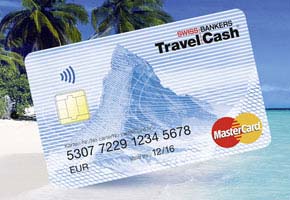 - Swiss Bankers Travel Cash Card - no-name prepaid MasterCard is available to everyone; not tied to a bank account; no credit check; no forms to fill out; the card can only be charged when funds have been loaded n euros, US dollars and Swiss francs; safe and affordable withdrawals of funds at over 2 million ATMs worldwide; accepted by more than 33 million merchant locations and online shops worldwide; no annual fee.
- The 'Apple Card' Is Apple's New Credit Card. Is It Right for You? - TIME Magazine.
- This Visa card lets you spend bitcoin anywhere - The Telegraph.
- Time Is Not on Your Side When It Comes to Credit Debt - The New York Times.
- Understanding credit cards - "How do credit cards work?"
- US$450 Credit Cards: Should You Pay for Premium Plastic? - The Wall Street Journal.
- Value-Seekers Warm to a $450 Annual Credit Card Fee - The New York Times.
- Venmo can now instantly transfer money to your debit card for 25 cents - The Verge.
- Visa locks down Bitcoin payment cards in crackdown on card issuer - The Telegraph.
- VISA PAYWAVE - "Visa payWave is a secure, faster, easier way to pay for everyday purchases." Quicker and more convenient than cash.
- Visa warns that hackers are scraping card details from gas pumps - "Cybercream teams have found a weak spot in gas station networks."
- What Do You Know About Your Credit Card? - The New York Times.
- What's in your wallet? Not our new credit card please, warns Apple - "Manufacturer’s warning to keep flashy, minimalist Apple Card away from pockets, wallets and other cards draw derision."
- Why Airline Credit Cards Have an Enduring Appeal - The New York Times.
- Why Visa & Mastercard Are Today’s Most Exciting FinTech Innovators - "In the world of the platform economy, the big get bigger. It’s the winner who takes all."
- Why Visa Is Buying Fintech Startup Plaid For $5.3 Billion - Forbes.
- You should opt out of the Apple Card’s arbitration clause - here’s how - "Keep your right to sue."
- Your Credit Card Benefits Just Got Cut. What Do You Do? - "Yes, your credit card issuer can legally change its terms for the worse compared with when you first signed up. But you have some power here."
- Black Card - "The new Visa Black Card - made of stainless steel - is the ultimate buying tool. Cardmembers enjoy an industry-leading rewards program where points have double the value of American Express Platinum when redeemed for airfare. Members also receive VIP treatment at over 3,000 hotels, resorts and villas around the world as well as unlimited access to hundreds of airport lounges."
- CENTURION CARD | BLACK AMEX CARD - invitation only charge card issued by American Express to platinum card holders after they meet certain criteria. In the United States, the initiation fee is $7,500 in addition to the $2,500 annual fee from each cardholder. You need to spend $500,000 every year for the business card, and $250,000 for the personal card.
- CHASE SAPPHIRE RESERVE credit card - "Enjoy elevated rewards for all your travels." Regarded as one of the best premium travel cards on the market, the Chase Sapphire Reserve is in the pockets of millionaires and more modest cardholders alike. For frequent travelers who eat out a lot, this is one of the best flexible travel and dining rewards cards around. Although the annual fee is relatively high ($450), it is recouped by utilizing the card’s rewards and generous annual travel credit ($300).
- Citi Chairman American Express Card - "This premium Card offers you extraordinary benefits with exceptional value." Get the VIP Treatment you deserve. Cardmembers get privileged access to special, extraordinary experiences. Each month we present a selection of the most original travel and lifestyle trends with ideas from around the world.
- COUTTS silk charge card - "A charge card with a high monthly spending limit, Silk opens doors to a world of privileges and benefits. Silk can be tailored to your lifestyle, offering the ability to order additional cards with tailored spending limits and varying benefits."
- Dubai First Royale Card - "Desired by many but attainable by only a select few, the world of Royale Card is tailored to the demanding lifestyle of the true ..." By Invitation Only. Diamond-embedded Crest. No Pre-set Spending Limit. Dedicated Relationship Manager. Royale Lifestyle Management.
- Gold Mastercard Credit Card - "Enjoy extra spending power with fewer fees and penalties."
- Ink Business Preferred Credit Card - "Get rewarded for all your business spending." The Ink Business Preferred Credit Card is a card respected by business owners of all revenue sizes, offering 3X Ultimate Rewards points per dollar in several useful business categories.
- J.P. Morgan Reserve CARD - since 2016. The J.P. Morgan Reserve card, formerly known as Chase Palladium, is by invitation only, reportedly only for individuals with at least $10 million in assets managed by J.P. Morgan. Annual fee: US$595.
- Platinum Card - from American Express. "Unique Experiences. Exceptional Services & Rewards." Earn 60,000 Membership Rewards Points after you use your new Card to make $5,000 in purchases in your first 3 months. Annual fee: US$550.
Crowdfunding
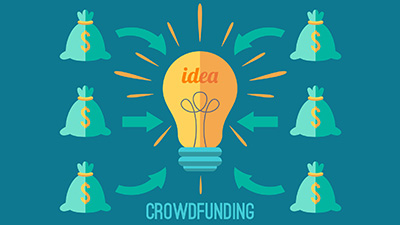 - Angel investor - Wikipedia.
- Comparison of crowdfunding services - Wikipedia.
- Crowdfunding - Wikipedia.
- Donation - Wikipedia.
- Equity crowdfunding - Wikipedia.
- Fundageek - (2011-2013). Was a crowd funding resource designed for funding project involving technology, scientific research, inventions and community support.
- Fundraising - Wikipedia.
- Got a grand for my cat's gap year? The unstoppable rise of 'I want' crowdfunding - "Forget sponsoring Bob in accounts to run a charity marathon: these days you can ask anyone for anything."
- Top 20 crowdfunding platforms of 2019 - GoDaddy Blog.
- What Happened to Pledgie.com? - Fundraise.net.
- ArtistShare - since 2003. "Where the fans make it happen!" ArtistShare launched in 2003 as the Internet's first fan-funding (referred to today as "crowdfunding") platform for creative artists. Over the years we continue to be a leading creative project service for entrepreneurial artists. ArtistShare connects artists with fans in order to share the beauty of the creative process and ensure the creation of new artistic works.
- Crowdrise - since 2010. "CrowdRise is about giving back, raising lots of money for great causes, and having the most fun in the world while doing it." Raise money for over 1.5 million charities with personal fundraisers, events, races and corporate philanthropy. CrowdRise is the world’s largest and fastest-growing fundraising platform dedicated exclusively to charitable giving. CrowdRise is used by millions of individuals to raise money for their favorite charities and causes. Our nonprofit customers raise more money online with less effort. Proven to increase event participation and awareness of your cause.
- EquityNet - since 2005. "Leading Business Crowdfunding PLatform." Share your business vision with investors.
Show them that you're ready to grow revenues and take market share. Maximize your funding success.
- Fundly - since 2009. "Raise Money For Anything." Fundly is fast, easy and has no raise requirements.
- FundRazr - since 2009. "Powerful. Practical. Proven." FundRazr makes online fundraising EASY and FAST.
- GiveForward - since 2008. "We're excited to announce that
GiveForward is now part of GoFundMe, the largest and most trusted free fundraising platform. Join the millions who've raised over $5 billion for their causes."
- GoFundMe - since 2010. "Fundraising for the people and causes you care about." The World's #1 Personal Fundraising Websites. Over 10,000 people start a GoFundMe every day.
- Indiegogo - since 2008. "The World’s Crowdfunding Engine." Crowdfund innovations & support entrepreneurs. As the largest global fundraising site, we help individuals, businesses, and non-profits raise money online. Aways moving forward, Indiegogo is the place to discover new and emerging tech, design and innovation - before it goes mainstream.
- Kickstarter - since 2009. "Our mission is to bring creative projects to life." Discover the best and brightest projects on Kickstarter. 10 years. 16 million backers and creators. 160,000 creative projects. And this is just the beginning.
- MicroVentures - "Invest in Startups." Connecting Angel Investors & Startups. Founded in 2009, MicroVentures built a platform that gives both accredited and non-accredited investors access to invest in startups. Over $200M has been raised on our platform to date.
- mightycause - since 2006. "Nonprofit Fundraising Made Easy." Mightycause is a new way to donate and raise money online. Donors can find inspiring giving opportunities or donate to any registered US charity. Charities and fundraisers raise money through our story pages. Mighty tools for mighty fundraising. Mightycause is a fun, easy-to-use fundraising site for nonprofits and personal causes. Join the next generation of fundraising and see why more than $500 million has been raised on Mightycause’s platform. A searchable giving directory of more than 1 million nonprofits in the US.
- Patreon - since 2013. "Create on your own terms." Start a membership business to develop a direct relationship with your biggest fans and generate predictable, recurring revenue from your creative work. Patreon is a membership platform that provides artists and creators with the tools needed to showcase their work, build relationships with their patrons, and make a sustainable income.
- Plumfund - since 2006. "Giving feels good." Free online crowdfunding for the people we love." Plumfund.com is a simple, low-cost crowdfunding platform that allows anyone to raise money for anything. There is no vetting; anyone can setup a campaign. There are no tilting, funding or goal requirements.
- SeedInvest - since 2011. "Startup Investing, Simplified." SeedInvest is a leading equity crowdfunding platform, opening up access to venture capital and angel investing to everyone. Join 250,000+ people who already use SeedInvest to find startup investment opportunities.
- YouCaring - since 2011. "The Leader in Free Online Fundraising." The pioneer in free online fundraising and home of the largest charitible crowdfunding campaign in history. Today GoFundMe has consolidated GiveForward, Generosity, and YouCaring to create the largest and most trusted free crowdfunding platform.
Data Brokers
 - Information broker - Wikipedia.
- Acxiom - claims to have files on 10% of the world's population, with about 1500 pieces of information per consumer.
- Epsilon - "Where intelligence ignites connection."
Financial Analysis, Rating & Research
 - Big Three (credit rating agencies) - Wikipedia.
- Credit rating - Wikipedia.
- Credit rating agency - Wikipedia.
- Credit risk - Wikipedia.
- BLOOMBERG - "Business, Finance & Economic News, Stock Quotes."
- Equifax - "Check Your Credit Report & Credit Score Ratings."
- EXPERIAN - "A world of insight." Credit Report and Credit Score with Toll-Free Support from Experian.
- FITCH RATINGS - founded in 1913. "Global rating agency dedicated to providing value beyond the rating through objective and balanced credit opinion." One of the "Big Three credit rating agencies".
- LAFFERTY GROUP - "Advanced Knowledge Services."
- MOODY'S - founded in 1909. "Credit ratings, research, tools and analysis for the global capital markets." One of the "Big Three credit rating agencies".
- OXFORD ECONOMICS - "Economic forecasts and data." A leading economic forecasting consultancy, producing macroeconomic and industry forecasts, analysis and data on 175 countries.
- S&P Capital IQ - "Company and Market Research, Financial Analytics, Screening, and Relationship Management Tools."
- STANDARD & POOR'S - founded in 1860. "With offices in 25 countries and a history that dates back more than 150 years, Standard & Poor's Ratings Services provides high-quality market intelligence in the form of credit ratings, research, and thought leadership." One of the "Big Three credit rating agencies".
- THOMSON REUTERS - "The world’s leading source of intelligent information for businesses and professionals."
- TransUnion - "Credit Report, Credit Scores & Credit Checks." Provides solutions to approximately 45,000 businesses and approximately 500 million consumers worldwide. It is also the third-largest credit bureau in the United States. Like major competitors Equifax and Experian, TransUnion markets credit reports directly to consumers.
Forex
 - FOREX - International Business Matters.
- FOREX | FOREIGN EXCHANGE MARKET - Wikipedia.
- FOREXYARD - "Take the market by the horns." FOREX trading online.
- OANDA - Currency, exchange rates, currency converter, forex, foreign exchange, live rates, currency conversion, money converter, currency exchange.
Media
 - 24/7 WALL ST. - sinde 2006. "Insightful analysis and commentary for US and global equity investors."
- BARRON'S - American weekly newspaper founded in 1921. It covers U.S. financial information, market developments, and relevant statistics. Each issue provides a wrap-up of the previous week's market activity, news reports, and an informative outlook on the week to come.
- BBC NEWS - since 1997. Business news.
- Bloomberg News - since 1990. (Originally Bloomberg Business News) is an international news agency headquartered in New York City. Among the top five most-trafficked financial sites on the Web.
- Bloomberg Businessweek - since 1929. Previously known as BusinessWeek, is an American weekly business magazine, published 50 times a year, is a weekly business magazine published by Bloomberg L.P. Since 1975, Businessweek has carried more annual advertising pages than any other magazine in the United States. Businessweek was first published in September 1929, only weeks before the Stock Market Crash of 1929. Its original purpose was to provide information and opinions as to what was happening in the business world, at the time.
- BUSINESS INSIDER - American financial and business news website founded in 2007. New business site with deep financial, entertainment, green tech and digital industry verticals.
- BØRSEN ONLINE - since 1896. Danish newspaper specialising in business news published in Denmark.
- CANADIAN BUSINESS - since 1928. The longest-publishing business magazine in Canada.
- CNBC.COM - since 1989. American basic cable and satellite business news television channel.
- CNN business - since 2001. (Formerly CNN Money) is a financial news and information website, operated by CNN. Financial news and information website, operated by the CNN division of Time Warner. Focused on "digital transformation of business, and how it is disrupting every corner of the global economy".
- DEALBREAKER - since 2001. "Dealbreaker covers the personalities and culture that shape the financial industry, offering original commentary, news and entertainment."
- DOW JONES - since 1896. "Roughly two-thirds of the DJIA's 30 component companies are manufacturers of industrial and consumer goods. The others represent industries as diverse as financial services, entertainment and information technology. Even so, the DJIA today serves the same purpose for which it was created – to provide a clear, straightforward view of the stock market and, by extension, the U.S. economy."
- Entrepreneur - since 1977. "Inspiring, informing and celebrating entrepreneurs." Entrepreneur seeks to inspire, inform and celebrate entrepreneurs. We offer real solutions to the challenges you face as an entrepreneur, including tips, tools and insider news to help build - and grow - your business.
- Euromoney - since 1969. English-language monthly magazine focused on business and finance. Covers global banking, macroeconomics and capital markets, including debt and equity and features comment, profiles and interviews with chief executives and senior figures in finance.
- Financial Planning - since 1971. "Financial Planning is the leading provider of news, data and analysis for the wealth management industry." Financial Planning delivers the essential analysis and insight that independent advisors need to make informed decisions about their businesses and the clients they serve. The only information resource dedicated to the needs of the independent financial planner, Financial Planning provides analysis and breaking news, opinion and expert advice, and practical business-building ideas.
- FINANCIAL TIMES - founded in 1888. International business newspaper. Its primary rival is New York City-based The Wall Street Journal. specialises in UK and international business and financial news. Printed as a broadsheet on light salmon paper, the FT is the only paper in the UK providing full daily reports on the London Stock Exchange and world markets.
- Finanznachrichten.de - since 2000. Aktuelle Nachrichten zu Finanzen, Börse und Wirtschaft.
- FORBES - American business magazine since 1917. Published biweekly, it features original articles on finance, industry, investing, and marketing topics. Forbes also reports on related subjects such as technology, communications, science, and law.
- Forex Trading Magazine - since 2009. "Learn Online Forex & Currency Trading."
- FORTUNE - global business magazine published by Time Inc. Founded by Henry Luce in 1929. The magazine regularly publishes ranked lists, including the Fortune 500, a ranking of companies by revenue that it has published annually since 1955.
- Get Rich Slowly - since 2006. "Get Rich Slowly is a site for anyone who craves greater financial freedom. Personal finance that makes sense." You won’t find any “get rich quick” schemes here. You won’t find multi-level marketing fads or hot stock tips here. I’m not going to give you a hard sell on any products or books. What you will find at Get Rich Slowly is daily information about personal finance and related topics. I’ll share stories about debt elimination, saving money, and practical investing. I’ll post occasional reviews of books, magazines, and software. I’ll scour the web for the latest personal finance tools and articles. I’ll also post news on related topics like simplicity, frugality, and personal development. (J.D. Roth).
- Global Banking & Finance Review - since 2010. "Analysis & Insights From The World Of Finance & Business." Global Banking & Finance Review is a leading Online and Print Magazine, which has evolved from the growing need to have a more balanced view, for informative and independent news within the financial community. Our experienced contributors provide this quality and in-depth insight in a clear and concise way, providing leading players and key figures with up to date information within the finance sector.
- GLOBAL FINANCE - sinde 1987. "Global news and insight for corporate financial professionals."
- Gloom Boom Doom by Marc Faber - since 2001. "The Gloom, Boom & Doom Report is an in depth economic and financial publication, which highlights unusual investment opportunities around the world. The guiding philosophy is that, as Horace already observed, 'many shall be restored that are now fallen and many shall fall that are now in honor.' The Gloom Boom & Doom report aims, based on economic, social and historical trends, to warn investors when investment themes have become widely accepted and are, therefore, highly priced and risky, while it continuously searches for opportunities in unloved and depressed markets."
- HANDELSBLATT - since 1946. Leading German language business newspaper.
- Harvard Business Review (HBR) - since 1922. "The best ideas in business and management to help people, organizations, and economies work better." General management magazine published by Harvard Business Publishing, a wholly owned subsidiary of Harvard University. It is published 12 times a year. HBR continues to emphasize research-based, academic pieces that would help readers improve their companies and further their careers, but it broadened its audience and improved reach and impact by including more contemporary topics.
- INC. - since 1979. "Small Business Ideas and Resources for Entrepreneurs." Best known for its annual rankings of the fastest-growing privately held companies in the United States, called the "Inc. 500" and "Inc. 5000." In October 1981, Inc. became the first magazine to feature Steve Jobs on its cover, alongside the proclamation, "This man has changed business forever."
- INSTITUTIONAL INVESTOR - since 1967. Global finance market news, analysis and research. Monthly periodical published by Euromoney Institutional Investor. A separate international edition of the magazine was established in 1976 for readers in Europe and Asia.
- INTERNATIONAL BUSINESS TIMES - since 2006. "Real-time news, intelligence and analysis on the forces reshaping the global and national economies." Online global business newspaper, comprising of 13 editions with publishing in 12 countries across 8 languages. It is among the top-ten online business newspapers in the world.
- LLOYD'S LIST - "Maritime intelligence | Informa." One of the world's oldest continuously running journals, having provided weekly shipping news in London as early as 1734. It was published daily until 2013 (when the final print issue, number 60,850, was published), and is in constantly updated digital format only since then. The leading maritime & transport news portal.
- Management Today - "Championing British Business. Not just business as usual." Founded in 1966, Management Today is committed to a new mission in the post-Brexit era (whatever its final outcome) to champion business in the UK, enabling them to become more fleet footed, to value growth and scale, and to compete globally.
- MARKET WATCH - since 1997. Owned by Dow Jones & Company. Operates a financial information website that provides business news, analysis, and stock market data and offers personal finance news and advice, tools for investors and access to industry research.
- MONEY NEWS - since 2004. "Bringing the latest consumer financial news, personal finance and mortgage news for the United Kingdom, UK." The Money News finance website focuses on consumer financial news, debt news, credit card news, personal finance news, personal banking news, mortgage news, lending news and insurance news for the UK.
- MONEY WEEK - since 2000. "The UK’s best-selling financial magazine." Weekly investment magazine that covers financial and economic news and provides commentary and analysis across UK and global markets.
- NerdWallet - since 2009. "Make all the right money moves." Need expert money advice, helpful tools and tailored insights to answer your money questions? Turn to the Nerds. We love helping people get more from their money. That's why we make it simple to see your checking, saving, investing and credit card accounts in one place. Not sure if you have the best credit cards or lowest mortgage rate? No problem. We help with bigger financial decisions, too. Our expert reviews and side-by-side comparisons make spotting your best option surprisingly simple.
- Paul Klugman New York Times Blog - since 2000. "Economics and Politics by Paul Klugman - The Conscience of a Liberal." Get a better understanding of the economy - and an even deeper look inside Paul's mind.
- STOCK WATCH - since 1999. The inexpensive subscription-only source of real-time quotes, trades and market depth for companies listed on the major North American stock markets.
- THE BANKER - "Global Financial Intelligence Since 1926." English-language monthly international financial affairs publication owned by The Financial Times Ltd. and edited in London.
- The business journals - since 1985. At The Business Journals, we recognize that success is powered by information and inspiration. As a unique editorial voice for the business community, we write for and about the companies that drive local economies across the country. We have 400+ journalists entrenched in their local markets and industries.
- The Economist - "First published in 1843 to take part in 'a severe contest between intelligence, which presses forward, and an unworthy, timid ignorance obstructing our progress.'" International weekly newspaper printed in magazine-format and published digitally that focuses on current affairs, international business, politics, and technology.
- TheStreet - since 1996. "Covering the companies that are changing the world and moving the markets." Follow the stock market today on TheStreet. Get business news that moves markets, award-winning stock analysis, market data and stock trading ideas.
- Traders Magazine - since 1967. "TRADERS covers the entire trading process, including equities and options, major trends, financial industry news, executive profiles and the technological developments that keep Wall Street running."
- WALL STREET JOURNAL - founded in 1889. "Breaking news, investigative reporting, business coverage and features from The Wall Street Journal." Largest newspaper in the United States, by circulation. Covers American economic and international business topics, and financial news and issues.
- WIRTSCHAFTS WOCHE - since 1926. German weekly business news magazine.
- Worth - American financial, wealth management and lifestyle magazine founded in 1992. The magazine addresses financial, legal and lifestyle issues for high net worth individuals, featuring stories about dynamic wealth creators and providing expert advice on investing and wealth management.
- YAHOO! FINANCE - "Financial News & Analysis Live." The top 10 financial stories driving the day's action, highlighting Yahoo Finance's proprietary data analysis on which stocks are receiving the most clicks from our ...
Merchant Accounts
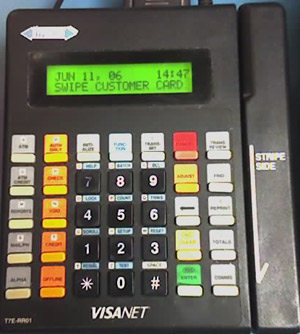 - MERCHANT ACCOUNT - Wikipedia.
- MERCHANT PROVIDER - Wikipedia.
- CCNOW - merchant account alternative. Secure Online Retail Services. CCNow eliminates the need to struggle with merchant accounts and shopping cart software.
- Credit Card Processing - "We offer credit card processing and merchant account services to help you grow your business".
- MOPHIE MARKETPLACE - magnetic credit card Strip Reader for iPhone 3G & 3GS. Turn your iPhone in to a mobile payment solution that is fast, secure and ready to go wherever you go.
- PAY PAL - "Send Money, Pay Online or Set Up a Merchant Account with PayPal."
Miscellaneous
 - 5:2 money diet - The Telegraph.
- 7 apps to help your business grow on Facebook - Mashable.
- 25 GENIUSES WHO ARE CREATING THE FUTURE OF BUSINESS - Wired.
- 25 signs you’ve reached financial maturity - "According to a new survey, British people aren’t fully financially mature until the age of 31. But it isn’t all about having a savings account."
- 33 apps that will save you money - TIME Magazine.
- 40 Smart Money Moves You Can Make Right Now 2021 - "Money is simply a tool you can learn to manipulate. The more you learn, the better able you’ll be to wield it in a way that serves your goals."
- 50 Highest Rated CEOs - Glassdoor.
- 50 MOST INNOVATIVE FINTECH COMPANIES IN 2021 - "Many of the startups on Forbes’ sixth Fintech 50 list were big pandemic winners, as Americans sped up their migration to buying and banking online and some of those stuck at home jumped into online trading of stocks and crypto."
- 100 Most Valuable Global Brands 2014 - BrandZ.
- $100 Trillion Global Economy in One Chart - "Visualizing the $100 Trillion Global Economy in One Chart. Surpassing the $100 trillion mark is a new milestone for global economic output."
- 2010 FORTUNE 500 - And the winners are...
- 2014 Global Wealth Report - Credit Suisse.
- 2014 Legatum Prosperity Index - defining prosperity as a combination of wealth & wellbeing. The Prosperity Index ranks countries according to their performance across eight equally-weighted sub-indexes.
- 2014 World's Billionaires - Forbes.
- ACE METRIX - "A new way of measuring television advertising effectiveness that works the way you do; online, fast, and efficiently."
- AIG | AMERICAN INTERNATIONAL GROUP - American insurance corporation. Founded 1919 in Shanghai, China.
- ALEXA - known for its toolbar and website. Once installed, the toolbar collects data on browsing behavior which is transmitted to the website where it is stored and analyzed and is the basis for the company's web traffic reporting.
- Alibaba.com International - "Global trade starts here." The leading global e-commerce platform for small businesses around the world. It aims to be the go-to English-language platform for cross-border trade and help small businesses worldwide expand to overseas markets.
- AngloINFO French Riviera - "The global expat network." Everything you need for life on the Côte d’Azur - local information you can trust. There are many reasons why people move away from their home country: career opportunities, temporary expat job assignments, study, retirement, an improved quality of life, family commitments, second-home ownership or permanent emigration. Whatever the reason for moving, life in a new place can be unusual, complicated or just difficult. Whether you have been living abroad for ten years or you are just thinking about moving, AngloINFO is here to give you dependable support - whenever and wherever you need it.
- Arnold Hill & Co. Chartered Accountants - "For over one hundred years Arnold Hill & Co LLP has been providing a professional, personal and friendly service. Our office is conveniently based in the heart of London, close to Trafalgar Square in the West End."
- BCG | BOSTON CONSULTING GROUP - global management consulting firm and the world's leading advisor on business strategy.
- Best Countries for Business - Forbes.
- Best-Performing CEOs in the World 2015 - Harvard Business Review.
- Best Places To Retire In 2022: Sioux Falls & Other Hot Spots - "Forbes compared more than 800 locales in America on everything from housing costs and taxes to healthcare, air quality, crime and climate change and natural hazard risk. These are the top 25 cities for retirees."
- BIG MAC INDEX - Burgernomics: the index is a lighthearted attempt to gauge how far currencies are from their fair value.
- Biggest coin ever made in Royal Mint's 1,100 year history unveiled - "The enormous coin is too big for one hand alone and took hundreds of hours to produce and polish - measuring 20cm wide and 10 kilograms in weight. The coin, which has been described by Mint as a 'masterwork' and has a denomination of £10,000, took a whopping 400 hours to produce - including four days of polishing."
- BILDERBERG GROUP - an unofficial, annual, invitation-only conference of around 130 guests, most of whom are persons of great influence in the fields of politics, business, banking, and media.
- Billion dollar+ software companies founded since 2003 - Atomico.
- Bloomberg Game Changers - (TV Series 2010-).
- BLUE OCEAN STRATEGY - "How To Make Competition Irrelevant."
- Brand Finance - founded in 1996." The world’s leading independent brand valuation and strategy consultancy." Headquartered in the City of London, we are present in over 20 countries.
- BRANDWEEK - brand professions count on Brandweek.com for online access to branding news and analysis.
- BRENT CRUDE OIL - is sourced from the North Sea.
- BRETTON WOODS SYSTEM - of monetary management established the rules for commercial and financial relations among the world's major industrial states in the mid 20th century.
- BUSINESS CENTRE - whether you need a small executive suite or an entire floor of serviced office space, Avanta's flexible business centres throughout prime areas of London and the UK provide the solution.
- BUSINESS DICTIONARY - "Over 20,000 terms. Clear. Concise. Comprehensive."
- Business School Rankings 2015 - Financial Times.
- CAC | Certified Acceptance Corporation - an independent numismatic coin authentication service and is not connected or affiliated with any other numismatic coin encapsulating and/or grading service.
- CAPGEMINI - consulting, technology, outsourcing.
- Cashed out: a fond farewell to coins & notes - "If you’re struggling to recall the last time you handled cash, you’re not alone. As we click and tap our way to a digital world, Emma Beddington asks if we’ll miss the pound in our pocket when it’s gone."
- CASHMASTER INTERNATIONAL CASH COUNTING - cash counting machines.
- CELEBRITY SPEAKERS - since 1983. "The global speaker bureau." Leading speakers bureau for business, motivational and after dinner speakers.
- China International Payment System | CIPS - Reuters.
- Chinese economy to overtake US 'by 2028' due to Covid - "China will overtake the US to become the world's largest economy by 2028, five years earlier than previously forecast, a report says."
- CLYDE & CO. - leading international law firm, opens doors and helps you do business across 120 countries.
- COMMISSION JUNCTION - global leader in the online advertising channels of affiliate marketing and managed search.
- COMPETE, INC. - web traffic analysis service operating in the United States that publishes the approximate number of global visitors to the top 1,000,000 web sites in the world. This number is computed from sources including internet service providers, opt-in panels, application providers, and users of the Compete toolbar.
- CORPORATE LIBRARY - our mission is to provide independent corporate governance research and analysis to enable our clients to enhance value.
- Crunch Base - "The Free Tech Company Techbase." Free database of technology companies, people, and investors that anyone can edit.
- CURRENCY CODES - currency ISO codes by country.
- Dark Pool - definition & explanation.
- De La Rue - since 1821. "The world’s largest commercial banknote printer." The world's largest commercial security printer and papermaker. Banknote manufacturer, security printing, papermaking and cash handling systems company with headquarters in Basingstoke, Hampshire, England.
- Debt is Good - The New York Times.
- DEWITT STERN - insurance & risk advisory since 1899. specializing in commercial, personal, fine art, employee benefits, FinPro, entertainment, and professional liability services.
- DIFC | DUBAI INTERNATIONAL FINANCIAL CENTRE
- Dog-and-pony show - definition & explanation.
- Doing Business Report 2014 - The World Bank.
- DON CROWTHER.COM - Internet marketing and social media expert.
- DOUBLECLICK - develops and provides Internet ad serving services.
- DUN & BRADSTREET - global risk, credit, sales, marketing, and supplier management solutions.
- E-GOLD - Internet payments 100% backed by gold.
- EBS | EUROPEAN BUSINESS SUMMIT
- ECONOMIC AND MONETARY UNION | EUROPEAN COMMISSION
- ESCROW.COM - protects online buyers and sellers from fraud.
- EVENTICA - a unique, full service communications company with a truly global reach, operating from offices in London, Moscow and Dubai.
- Fat Finger Syndrome - definition & explanation.
- FDIC | FEDERAL DEPOSIT INSURANCE CORPORATION (US)
- FICO SCORE - Wikipedia.
- FINANCIAL DICTIONARY - Investopedia.
- FINCEN - one of the US Department of Treasury's lead agencies in the fight against money laundering.
- Financial Times & McKinsey Business Book of the Year Award - since 2005. Annual award given to the best business book of the year as determined by the Financial Times and McKinsey & Company. It aims to find the book that has ‘the most compelling and enjoyable insight into modern business issues.’
- FIONA SHACKLETON - an English solicitor, famous for representing members of the British Royal Family and celebrities, including Paul McCartney and Prince Andrew.
- FOUR PERCENT RULE - definition & explanation.
- FSA | FINANCIAL SERVICES AUTHORITY (UK)
- FORBES: AMERICA'S LARGEST PRIVATE COMPANIES
- FORBES: THE WORLD'S 2000 BIGGEST COMPANIES 2009
- FORBES: THE WORLD'S BILLIONAIRES 2013
- FORBES: TOP-EARNING CEO'S
- FX CURRENCY CONVERTER - currency converter for 164 currencies.
- G-7 - Canada, France, Germany, Italy, Japan, United Kingdom and the United States.
- G-8 - Canada, France, Germany, Italy, Japan, Russia, United Kingdom, United States and the European Union.
- G-20 - Argentina, Australia, Brazil, Canada, China, France, Germany, India, Indonesia, Italy, Japan, Mexico, Russia, Saudi Arabia, South Africa, South Korea, Turkey, United Kingdom, United States and the European Union.
- GALLUP - conducts public opinion polls in more than 140 countries around the world.
- genericization - with respect to a trademark, the act or process of becoming so widely identified as a reference for a type of product as to cease representing a particular brand or manufacturer of that type of product.
- GEORGE SOROS - the official website.
- George Soros Sees Crisis in Global Markets That Echoes 2008 - Bloomberg Business.
- Global 500 2015 - world’s most valuable global brands.
- Global MBA Ranking 2015 - Financial Times.
- GLOBAL SPEAKERS BUREAU - "We deliver any kind of celebrity speaker or motivational speaker for events, conferences, board meetings and endorsements."
- GLOBAL STRATEGY GROUP - a public affairs and research firm in market research, politics, communications, new media and interactive services.
- Global wealth report 2021 - "The twelfth edition of the Global Wealth Report, published by the Credit Suisse Research Institute, shows continued wealth growth. Total global wealth grew by 7.4% and wealth per adult reached another record high of USD 79,952. Overall, the countries most affected by the COVID-19 pandemic have not fared worse in terms of wealth creation. The most comprehensive and up-to-date resource of its kind. Our Global wealth report analyzes the household wealth of 5.2 billion people across the globe. Multi-faceted and eye-opening."
- GOLDMAN SACHS - leading global financial services firm providing investment banking, securities and investment management services.
- GOLIATH - "Business Knowledge On Demand." Online-business content service, providing global company and industry intelligence to business executives.
- GOOGLE'S TAX LOOPHOLE - the "Double Irish" and the "Dutch Sandwich" strategy.
- Government Pension Fund Norway - (Folketrygfondet) world's largest foundation. Manages Norway's oil wealth.
- GROW VENTURE COMMUNITY | GROW VC - Transparent and international networking website for mobile and web 2.0 startups to seek early stage funding. The first global crowdfunding platform for web and mobile startups.
- Harris Interactive - custom market research firm, known for the Harris Poll, one of the world’s longest-running and most respected public opinion polls.
- HITWISE - global online competitive intelligence service which collects data directly from ISP networks to aid website managers in analysing trends in visitor behavior and to measure website market share.
- Hong Kong Offshore Company Contract Management - "We provide agency representation, contract management and invoicing services for international contractors, consultants, commercial intermediaries and traders. We offer you the ability to establish a Hong Kong base in a cost effective way."
- How Much Should You Have Saved By Age? - "It’s clear that Americans feel unprepared for retirement. One in three have less than $5,000 in retirement savings, and one in five have no retirement savings at all, according to a Northwestern Mutual study."
- How to get away with financial fraud - The Guardian.
- IMG | INTERNATIONAL MANAGEMENT GROUP - global marketing & media solutions. Connects brands to global opportunities in sports, entertainment and media.
- Indiegogo - "The World's Funding Platform." Since 2008. International crowdfunding site where anyone can raise money for film, music, art, charity, small businesses, gaming, theater, and more.
- Infinite Prosperity - since 2011. "#1 Online FX trading course." We are professional currency traders and trading coaches. After becoming sick of the usual "wealth creation" education, our mission is to teach our clients the skills and strategies really required to make money in the markets. We take innovative wealth creation strategies and make them easy to understand and simple to implement by diluting the mountain of information down into a manageable set of key strategies, essential risk management procedures, and excellent support services.
- INTELIUS - "Live in the know." Pioneers in the information commerce industry, innovating technologies to collect, interpret and deliver information to consumers and businesses online. Advanced people search in the U.S. Background check. Reverse cell phone lookup.
- INVESTOPEDIA - offers an abundance of financial content, from articles, dictionary terms, tutorials and video, to frequently asked questions and exam prep quizzes. Notable is Investopedia’s Stock Simulator and FXtrader, where users can register for free and practice their investing skills with $100,000 in virtual cash in either the stock market or fast paced foreign exchange market.
- ISM | INSTITUTE FOR SUPPLY MANAGEMENT (US) - surveys national and global manufactoring output.
- Jackson Hole Economic Symposium - the most elite banking conference in the world. Annual symposium sponsored by the Federal Reserve Bank of Kansas City since 1978, and held in Jackson Hole, Wyoming, since 1981. The symposium focuses on an important economic issue that faces U.S. and world economies. Participants include prominent central bankers and finance ministers, as well as academic luminaries and leading financial market players from around the world.
- JIM COLLINS - free access to videos, audios, articles, & tools to aid in understanding and applying the ideas from Jim's books and research to both business and life.
- JOURNAL OF MARKETING - a professional association for individuals and organizations involved in the practice, teaching and study of marketing worldwide.
- KANTAR WORLDPANEL - "World leader in consumer knowledge and insights based on continuous consumer panels."
- KICKSTARTER - "A New Way To Fund & Follow Creativity." A funding platform for artists, designers, filmmakers, musicians, journalists, inventors, explorers.
- LAW.COM - "The web's leading legal news and information network."
- LEGAL.COM - "Legal Resources for Everyone."
- LEXIS NEXIS MATTHEW BENDER - a leading provider of analytical legal information in print and CD-ROM formats, and via the Internet.
- LINKEDIN - the world's largest business network.
- 'lipstick index' says people buy more makeup when times get tough - "Here's where it comes from - and whether it can really predict a recession. The lipstick index is the theory that sales of 'affordable luxuries' rise during economic downturns. The phrase was coined in the early 2000s by Leonard Lauder, heir to Estée Lauder cosmetics. It played out during the 2008 recession and the pandemic, and it seems to be happening now too."
- List of oldest companies - includes brands and companies, excluding associations and educational, government, or religious organizations. To be listed, a brand or company name must remain operating, either in whole or in part, since inception.
- LLOYD'S OF LONDON - the world's leading insurance market.
- M-PESA - mobile-phone based money transfer service.
- MACHINE ADVANTAGE - money counters.
- MADE-IN-CHINA.COM - "Connecting Buyers with China Suppliers."
- Maersk turns record profit & predicts supply chain chaos will continue - "Maersk, the world's largest container shipping company, predicts that global supply chain chaos will continue into next year. That could benefit the company, which just reported its best quarter in 117 years."
- MAGENTO - open-source ecommerce web application.
- Mapping the World's Prices 2015 - Deutsche Bank.
- Market maker - a market maker or liquidity provider is a company or an individual that quotes both a buy and a sell price in a financial instrument or commodity held in inventory, hoping to make a profit on the bid-offer spread, or turn.
- MARTINDALE.COM - lawyer locator: over 1,000,000 lawyers and law firms in 160 countries.
- measuring worth - Relative Worth Calculators & Data Sets.
- MERCER - consulting, outsourcing, investments and surveys.
- Mercer & Hole Chartered Accountants - "One of the top 50 accountancy firms in the UK."
- MCKINSEY & COMPANY - "We help people and companies explore extraordinary opportunities, manage and sustain growth, and maximize revenue."
- MICHELOUD & CIE - the Swiss specialist.
- MILWARD BROWN - 100 most valuable global luxury brands 2009.
- MINDSIGN NEUROMARKETING - fMRI brain response market research for product improvement. "We look at the subject brain response to your ad, game, speech, or film. We look at how well and how often it engages the areas for attention/emotion/memory/and personal meaning (importance)."
- MONEY CENTRAL - Times Online.
- MONEY MANAGEMENT TIPS FROM A FORMERLY MANIC SPENDER - Wired.
- MOPHIE MARKETPLACE - magnetic credit card Strip Reader for iPhone 3G & 3GS. Turn your iPhone in to a mobile payment solution that is fast, secure and ready to go wherever you go.
- Morgan Stanley - since 1935. American multinational financial services.
- Moscow International Financial Forum - focuses on a broad range of topics which are tremendously important for wealthy Russian. Such topics as sanctions, de-offshorisation law (CFC), second citizenship reporting, investment opportunities, asset protection and financial services are crucial for the Russian HNWIs and their assets.
- MUSASHI CO., LTD. - currency counter.
- Museum of American Finance - the nation’s only independent public museum dedicated to preserving, exhibiting and teaching about American finance and financial history. Located in the Financial District of the Manhattan borough of New York City, New York, it as an affiliate of the Smithsonian Institution.
- MWRI | MOBILE WEALTHY RESIDENCY INDEX - check out the 11 preferred jurisdictions.
- NATIONAL DEBT CLOCK - billboard-sized display which constantly updates to show the current United States gross national debt and each American family's share of the debt. It is currently installed on Sixth Avenue (Avenue of the Americas) in Manhattan, New York City, U.S.A.
- NIC | NATIONAL INTELLIGENCE COUNCIL - global trends 2025: a transformed world.
- NIELSEN BUSINESS MEDIA - global marketing research firm. Essential market intelligence with proven marketing platforms.
- NIELSEN MEDIA RESEARCH - American firm that measures media audiences, including television, radio, theatre, films and newspapers.
- Norway's Government Pension Fund Global - market value as of March 13, 2015: 7,000+ billion NOK.
- ODYSSEY MARINE EXPLORATION - world leader in deep-ocean shipwreck exploration.
- OECD | ORGANISATION FOR ECONOMIC CO-OPERATION AND DEVELOPMENT
- OECD CPI | OECD CONSUMER PRICE INDICES
- ONE POLL - "Research specialists - investigating the opinion of the people. OnePoll conducts online surveys. Once you’re registered - for free - your account opens and you start earning."
- OPEC | ORGANIZATION of the PETROLEUM EXPORTING COUNTRIES
- OXFORD ECONOMICS - a leading economic forecasting consultancy, producing macroeconomic and industry forecasts, analysis and data on 175 countries.
- PAYNE HICKS BEACH SOLICITORS - "The Firm (U.K.) can trace its origins back to 1730, the date when registration of attorneys and solicitors was introduced."
- PAM AWARDS | PRIVATE ASSET MANAGEMENT AWARDS - the highest regarded awards in the UK wealth management sector.
- PAYSCALE - salary comparison, salary survey, search wages.
- PETER F. DRUCKER - writer, management consultant, and self-described "social ecologist."
- PGP | PRETTY GOOD PRIVACY - data, email & hard drive encryption.
- PIERCE MATTIE PUBLIC RELATIONS - beauty, fashion, luxury, lifestyle PR firm.
- PLAYSPAN - the leader in monetization solutions: any content. Any user. Any Price. Any Place: online games, virtual worlds, social networks.
- Privatizing Profits & Socializing Losses - definition & explanation.
- QORVIS - founded in 2000. International Washington, D.C.-based public relations, advertising and lobbying firm. Its CEO is Michael Petruzzello. Qorvis provides public relations representation on behalf of public companies, financial services firms, sovereign nations, and wealthy individuals.
- QUANTCAST - "The best audience measurement solution." To measure and organize the world's audiences in real-time so advertisers can buy, sell and connect with those that matter most. Right now, Quantcast engages all 220 million U.S. Internet users, providing detailed audience profiles for the advertising marketplace to learn more about what consumers are doing online.
- Rare $1000 bills could sell for millions - "Incredibly rare US bank bills set to sell for $8 million at auction."
- REGUS - "The largest network of office, co-working and meeting spaces | 3000 locations in 120 countries."
- Repeatable business model - definition & explanation.
- Repo 105 - Lehman Brothers' name for an accounting maneuver that it used where a short-term repurchase agreement is classified as a sale. The cash obtained through this 'sale' is then used to pay down debt, allowing the company to appear to reduce its leverage by temporarily paying down liabilities - just long enough to reflect on the company's published balance sheet. After the company's financial reports are published, the company borrows cash and repurchases its original assets.
- Reputation.com - Online Reputation Management. "Your Online Reputation. It's Business. It's Personal." In a nutshell, online reputation management, or ORM as it’s known, is the practice of making people and businesses look their best on the Internet. To accomplish that, people need to control their online search results because they frequently contain inaccurate, misleading or outdated material which can adversely influence how web searchers view them.
- REPUTATION INSTITUTE - the world’s leading reputation consulting firm. As a pioneer in the field of brand and reputation management, Reputation Institute helps companies unlock the power of reputation.
- Reverse takeover - the acquisition of a public company by a private company so that the private company can bypass the lengthy and complex process of going public.
- 'Robbery of the century' London bankers on trial for siphoning €60bn - "'The men who plundered Europe': Martin Shields and Nick Diable are accused of tax fraud in ‘cum-ex’ scandal that exposes City’s pursuit of profit."
- SA LAW - "Leading UK law firm based in St Albans (Hertfordshire) and London. We’re “full service”, which means we have a large team of solicitors that cover all legal aspects of your business and personal life."
- SALARY.COM - salary information, job search, education opoortunities and career advice.
- Scripophily.com - "The Gift of History." The world's largest dealer of Stocks and Bonds, plus Autographs, Historical Documents, checks, postcards, paper money, notaphily, old stock certificates, and more.
- SEC | U.S. SECURITIES AND EXCHANGE COMMISSION
- SHANGHAI WORLD FINANCIAL CENTER | SWFC - otherwise known as "The Vertical Complex City".
- SHVOONG.COM - "The Global Source for Summaries & Reviews". Shvoong is a global hub for Summaries & Reviews on virtually every topic imaginable. On Shvoong you’ll find book reviews, book summaries, movie reviews, website reviews, make money online reviews, business reviews, product reviews, travel reviews, and much more.
- SIPC | SECURITIES INVESTOR PROTECTION CORPORATION
- STANDARD & POOR'S - offices in 23 countries and a history that dates back nearly 150 years, Standard & Poor’s is known to investors worldwide as a leader of financial-market intelligence.
- Stavisky Affair - was a 1934 financial scandal generated by the actions of embezzler Alexandre Stavisky.
- STOCK SEARCH INTERNATIONAL - "We find value in old stock & bond certificates!" Since 1969, our research efforts have helped investors recover millions of dollars from old stocks and bonds thought to be worthless!
- STOP CODDLING THE SUPER-RICH - Warren Buffett in New York Times (August 14, 2011).
- Stop Wasting Money & Finally Start a Budget - The New York Times.
- Sullivan & Cromwell - since 1879. International law firm headquartered in New York. The firm has approximately 800 lawyers in 12 offices, located in financial centers across the globe. Sullivan & Cromwell consistently ranks as one of the most prestigious law firms in the world. The firm has steered the development of many of the world's corporate titans over the past 130-plus years. Founding fathers Algernon Sydney Sullivan and William Nelson Cromwell wasted no time in elevating the firm to elite status, advising John Pierpont Morgan during the creation of Edison General Electric in 1882 and later guiding key players in the formation of U.S. Steel and the financing of the Panama Canal. The firm has since consistently represented some of the world's largest investment banks and financial institutions, multinational corporations, private equity clients, and high net worth individuals.
- SUNDAY TIMES RICH LIST - interactive.
- Switzerland's Controversial 1,000-Franc Note Is Getting a New Look - "Large denomination bills criticized for aiding crime."
- TAX HAVENS of the WORLD BY WALTER & DOROTHY DIAMOND

- Tax Havens of the World, Eighth Edition By Thomas Azzara

- TAX JUSTICE NETWORK | TJN - independent organisation dedicated to high-level research, analysis and advocacy in the field of tax and regulation. We work to map, analyse and explain the role of taxation and the harmful impacts of tax evasion, tax avoidance, tax competition and tax havens.
- TEFAF Art Market Report 2014 - "The global art market, with a focus on the US and China."
- The Complete Tax Haven Guide: Financial Freedom Through Global Investing

- THE CORPORATE LIBRARY - the leading independent source for corporate governance and executive compensation information and analysis.
- The CumEx Files - "How Europe's taxpayers have been swindled of €55 billion."
- The Giving Pledge - since 2009. "The Giving Pledge is a commitment by the world's wealthiest individuals and families to dedicate the majority of their wealth to philanthropy."
- The globe of economic complexity - dynamically maps out the entire world production of goods to create an economic landscape of countries around the globe. A map created by Harvard University researchers visualises the trillions of dollars worth of trade exchanged between all the world's economies.
- THE HARRIS POLL - begun in 1963, The Harris Poll weekly column is one of the longest running; most respected proprietary surveys conducted by Harris Interactive measuring public opinion and is highly regarded throughout the world.
- THE LUXURY INSTITUTE - "The Knowledge of Luxury." New York based ratings and research organization that conducts research on the luxury industry.
- The most valuable substances in the world by weight - The Telegraph.
- The Square Mile - City of London, London, England, United Kingdom.
- The surprising truth about the dollar - "Five hundred years after coining the first dollar, a tiny mining town is coming to grips with the many ways it shaped the modern world."
- THE TECH TERMS COMPUTER DICTIONARY
- THE UNTOUCHABLES - Frontline's documentary (53:41) about how Wall Street's leaders have escaped prosecution after the crash.
- The Value of an Emergency Fund Has Never Been More Clear. How to Start Saving Today - "It can be tough to build an emergency fund, but it's one of the most essential resources in your financial toolkit. Here's how to get started."
- THE WEALTH REPORT 2011 - produced by Knight Frank in conjunction with Citi Private Bank. Offers a unique perspective on the key luxury property markets around the world.
- THINKEQUITY - offers targeted research, investment banking, institutional sales and trading, wealth management and asset management services.
- Top 10 Hedge Fund Earners - The New York Times.
- Top 10 Most Expensive Places To Live In The World - TheRichest.org
- Top 100 Most Valuable Global Brands 2013 - BrandZ.
- Tradeshift - since 2010. "A platform for all your business interactions." Web based business network and also a free invoicing platform.
- TROPE AND TROPE - Los Angeles divorce lawyers. "Over 400 years experience in Family Law."
- US BUREAU OF ENGRAVING & PRINTING
- US BUREAU OF ENGRAVING & PRINTING STORE
- VERISIGN - SSL certificates, and more.
- WALL STREET CRASH OF 1929 - Wikipedia: Black Thursday.
- Wall Street Rule for the #MeToo Era: Avoid Women at All Cost - "No more dinners with female colleagues. Don’t sit next to them on flights. Book hotel rooms on different floors. Avoid one-on-one meetings. In fact, as a wealth adviser put it, just hiring a woman these days is 'an unknown risk.' What if she took something he said the wrong way?"
- WARRIOR FORUM - "The #1 Internet Marketing Forum Since 1997."
- WASHINGTON SPEAKERS BUREAU - since 1979. "Connecting You with the World's Greatest Minds." Business Speakers, Inspirational and Motivational Speakers, Keynote Speakers.
- Where Are the Customers' Yachts: or A Good Hard Look at Wall Street
 - Amazon.com. - Amazon.com.
- Where does fake movie money come from? - CNN style.
- Why the Swiss still love cash - "The Swiss have bucked international trends by revamping their highest-value bank note. So, what’s behind the preference for cash?"
- Why your cereal boxes & ice cream cartons are shrinking - "The reason? A tactic known as 'shrinkflation,' deployed by consumer product brands and grocery stores. The phenomenon - getting less for your money because a manufacturer has reduced the size of the product - has been going on for decades, but it typically becomes more common when companies' costs go up like the inflation surge we are seeing today."
- WTI CRUDE OIL | WEST TEXAS INTERMEDIATE - also known as Texas Light Sweet, is a type of crude oil used as a benchmark in oil pricing and the underlying commodity of New York Mercantile Exchange's oil futures contracts.
- WORLD BOX: BUSINESS INTELLIGENCE WORLDWIDE
- WORLD ECONOMIC FORUM
- World's Countries' Overall Int'l Debt Burden (% of GDP) - interactive map.
- World's Most Powerful People 2013 - Forbes.
- WORLD'S MOST POWERFUL SOUNDS - the buyology of sound by Martin Lindstrom.
- WORLD WEALTH REPORT 2011 - Capgemini and Merrill Lynch.
- You Have Cryptocurrency Questions. We Have Answers - "Cryptocurrency is going mainstream -and becoming increasingly difficult for investors to ignore. Here’s our guide to crypto, and why so many people are talking about it these days." TIME Magazine.
Online Payments
 - Aegis Bitcoin Wallet - open source bitcoin wallet for Android developed using the highest standards in the fields of cryptography and information security.
- Alternative currency - Wikipedia.
- Bitcoin Center NYC - based in the financial district of New York City, next to the NYSE. It was founded in 2013, by Nick Spanos, with the purpose of educating people about bitcoin and encouraging the trade of cryptocurrency. It has goals to become the first regulated exchange in the world.
- Bitcoin-style Blockchain initiative backed by 9 large investment banks - R3.
- Bitcoin Surges, Emerging From a Lull in Interest - The New York Times.
- Bitcoin Technology Piques Interest on Wall St. - The New York Times.
- Bitcoin’s Creator Satoshi Nakamoto Is Probably This Unknown Australian Genius - Wired.
- Block chain (database) - is a distributed database that maintains a continuously growing list of data records that are hardened against tampering and revision, even by operators of the data store's nodes.
- Contactless payment - Wikipedia.
- Creator of Bitcoin digital cash reveals identity - BBC News.
- Cryptocurrency - digital medium of exchange. The first cryptocurrency to begin trading was Bitcoin in 2009.
- Digital currency - Wikipedia.
- Digital wallet - Wikipedia.
- Distributed Ledger - Wikipedia.
- E-COMMERCE - Wikipedia.
- E-commerce payment system - Wikipedia.
- e-wallet stored-value - Wikipedia.
- Electronic cash - Wikipedia.
- Electronic money - Wikipedia.
- Envisioning Bitcoin’s Technology at the Heart of Global Finance
- Ethereum - Wikipedia.
- Ethereum, a Virtual Currency, Enables Transactions That Rival Bitcoin’s - The New York Times.
- How to Prove You’re Bitcoin Creator Satoshi Nakamoto - Wired.
- List of online payment service providers - Wikipedia.
- Mastering Bitcoin: Unlocking Digital Cryptocurrencies
 - essential reading for everyone interested in learning about bitcoin basics, the technical operation of bitcoin, or if you're building the next great bitcoin killer app or business. From using a bitcoin wallet to buy a cup of coffee, to running a bitcoin marketplace with hundreds of thousands of transactions. - essential reading for everyone interested in learning about bitcoin basics, the technical operation of bitcoin, or if you're building the next great bitcoin killer app or business. From using a bitcoin wallet to buy a cup of coffee, to running a bitcoin marketplace with hundreds of thousands of transactions.
- Millibit - the SI unit of 0.001 bitcoins (BTCs). A milli is the International System of Units (SI) prefix representing one thousandth (1/1000th).
- Mobile banking - Wikipedia.
- Online banking - Wikipedia.
- ONLINE SHOPPING - Wikipedia.
- Payment service provider - Wikipedia.
- Satoshi (unit) - currently the smallest unit of the bitcoin currency recorded on the block chain. It is a one hundred millionth of a single bitcoin (0.00000001 BTC). The unit has been named in collective homage to the original creator of Bitcoin, Satoshi Nakamoto.
- Satoshi Nakamoto - the pseudonym of a person or group of people who created the bitcoin protocol and reference software.
- SMS banking - Wikipedia.
- The Bitcoin Believer Who Gave Up - The New York Times.
- You Should Stop Using Texts for Two-Factor Authentication - Wired.
 - AMAZON COIN - digital payment method created by Amazon.com. Currently the coins can only be used to purchase software for Kindle Fire tablets and Android from the Amazon Appstore or from within an application.
- AMAZON PAYMENTS - "Your convenient, fast and secure way to pay." Login and Pay is the fast, easy and safe way to pay online and on mobile. Use the information already stored in your Amazon account to login and pay conveniently on thousands of sites and apps.
- Barclays Pingit - since 2012. System for the mobile transfer of money in the United Kingdom.
- BITCOIN - founded in 2009. "P2P Virtual Currency." ("A cryptocurrency for the masses.") Bitcoin is a peer-to-peer currency. Peer-to-peer means that no central authority issues new money or tracks transactions. These tasks are managed collectively by the network.
- BITDAZZLE - "The best place to buy & sell with bitcoin."
- Bitstamp - "World's leading Bitcoin exchange." Trade Bitcoins with style. You can send Bitcoins over the Internet directly to anyone with no middlemen.
- Coinbase - "Bitcoin Wallet. Bitcoin Made Easy." Coinbase is the simplest way to buy, use, and accept Bitcoin.
- Dogecoin - since 2013. Compared with other cryptocurrencies, Dogecoin has a fast initial coin production schedule: 100 billion coins have been in circulation by mid 2015 with an additional 5.256 billion coins every year thereafter.
- EcoPayz - since 2000. "Global payments, safe and easy." Payment solutions provider offering payment services to businesses and customers around the world in 173 countries in 46 currencies.
- Ethereum - since 2015. "Blockchain App Platform." Cryptocurrency platform and Turing-complete programming framework intended to allow a network of peers to administer their own stateful user-created smart contracts in the absence of central authority.
- FLATTR - since 2010. "Add money to your likes. The Social Way to Get Paid Online." Micropayment system - more specifically, a microdonation system - that launched publicly in 2010.
- Google Wallet - since 2011. "An easier way to pay." Google Wallet makes it easy to pay - in stores, online or to anyone in the US with a Gmail address. It works with any debit or credit card, on every mobile carrier.
- IZETTLE - "Now anyone can take secure card payments. You and your friends. Your business. All you need is an iPhone or iPad and iZettle."
- Neteller - since 1996. "Secure online payments." E-money/e-wallet stored-value service owned and operated by publicly traded British global payments company Optimal Payments PLC. People in over 180 countries use the NETELLER service to transfer money to and from merchants, almost exclusively online gambling firms, and can withdraw funds to their own bank accounts.
- PAY PAL - founded in 1998. Subsidiary of eBay Inc. "Send Money, Pay Online or Set Up a Merchant Account with PayPal."
- PayWizard - since 1997. UK-based provider of online payment and subscription management technologies and services.
- PowaTag - since 2014. "No cash, No Plastic, No fuss." Mobile payment enabling technology. With the app, users can make purchases using a smartphone, with payment and delivery details tied to a specific smartphone device. The app incorporates elements of QR code detection, audio recognition, and beacon technology. Audio watermarks in the form of inaudible tones embedded within radio, commercials, or live broadcast events are detectable by the app, taking users to a mobile commerce store where a purchase can be made.
- Skrill - founded in 2001. "Pay online, safely and easily." (Formerly Moneybookers) is a global e-commerce business that allows payments to be made through the Internet. For individual users, the Skrill payment system offers an online deposit account (e-wallet) and a low-cost, internet-based alternative to traditional money transfer methods such as cheques, money orders and wire transfers. To merchants, Skrill enables businesses to accept online payments: via major payment cards, Skrill's own online accounts & other local payment methods.
- Snapcash - Snapchat has unveiled a new feature that will allow users to send money to other clients of the messaging app.
- WE PAY - since 2008. Online payments platform for individuals, organizations, and businesses in the United States.
- WebMoney - founded in 1998. "Universal payment system." Global settlement system and environment for online business activities, established in 1998. Since then, over 26 million people from all over the world have joined the system.
- Xoom - since 2001. "The easiest way to send money." Leading digital money transfer or remittance provider that allows consumers to send money, pay bills and reload mobile phones from the United States to 33 countries.
Professional Services Networks
 - BIG FOUR (AUDIT FIRMS) - the four largest international professional services networks in accountancy and professional services, offering audit, assurance, tax, consulting, advisory, actuarial, corporate finance and legal services.
- Law firm network - Wikipedia.
- Multidisciplinary professional services networks - Wikipedia.
- Professional services networks - Wikipedia.
- BDO - founded in 1963. The fifth largest accountancy network in the world, a worldwide professional services network of public accountancy firms, serving national and international clients. As of 2013, BDO has Member Firms in 144 countries, employs 55,000 workers in 1,204 offices throughout the world.
- DELOITTE | DELOITTE TOUCHE TOHMATSU - founded in 1845. The largest private professional services organization in the world, delivering audit, tax, consulting, enterprise risk and financial advisory services through its member firms in more than 150 countries. Its global headquarters is located in Paramount Plaza, Midtown Manhattan, New York City, NY, U.S.A.
- ERNST & YOUNG | EY - founded in 1849/1989. "Quality In Everything We Do." The third largest professional services firms in the world and one of the "Big Four" accountancy firms, along with Deloitte, KPMG and PricewaterhouseCoopers (PwC). Headquartered in London, U.K.
- KPMG - founded in 1987. "cutting through complexity." The fourth largest professional services firms in the world and one of the Big Four auditors, along with Deloitte, Ernst & Young (EY) and PwC. Its global headquarters is located in Amstelveen, Netherlands.
- Lex Mundi - founded in 1989. "Law Firms Worldwide." Professional services network. It is the largest law firm networks. As of 2011 it had 160 member firms which have 21,100 attorneys. The network provides information to its members about developments in local and global law.
- Meritas - founded in 1990. Professional services network consisting of a global alliance of business law firms. In 2008, the association's membership included 170 law firms in 60 countries, employing 6500 lawyers.
- PRICE WATERHOUSE COOPER | PWC - founded in 1849. The world's second-largest professional services firm (after Deloitte) and one of the "Big Four" accountancy firms.
- State Capital Group | SCG - founded in 1989. "A Worldwide Network of Leading Law Firms." Seamless global network of over 145 of the profession’s preeminent independent law firms with more than 11,500 attorneys located in nearly 450 offices around the world. By uniting their skills, expertise and influence, our member firms help leading and growing companies in every industry navigate a complex and ever-changing legal landscape.
- TerraLex - "Global Expertise. Local Connections. Seamless Service." Our Mission is to help member firms serve their clients' legal needs and business interests through a worldwide network of quality law firms that meets high professional standards. As a voluntary association of independent law firms, each TerraLex member retains the right to work with any law firm or client. Member firms operate as separate enterprises, responsible for their own staff and work products.
- World Services Group | WSG - founded in 2002. Multidisciplinary professional services network of independent law, accounting and investment banking firms. It ranks as one of the largest among the more than 200 professional services networks in the world. WSG members are independent law, accounting and investment banking firms.
Stock Brokers
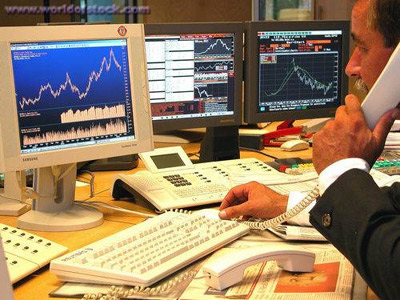 - Dark Pool - definition & explanation.
- Front running - the unethical practice of a stockbroker executing orders on a security for its own account while taking advantage of advance knowledge of pending orders from its customers.
- STOCK BROKER - Wikipedia.
Stock Exchanges & Indexes
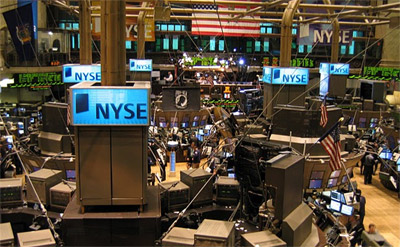 - Asia-Pacific Stock INDEXES - Bloomberg.
- Big Mac Index - The Economist.
- Fat Finger Syndrome - definition & explanation.
- GOOGLE FINANCE - "Stock market quotes, news, currency conversions & more."
- GOOGLE FINANCE: STOCK SCREENER - "Find top stock with our stock screener."
- How Stories Drive the Stock Market - The New York Times.
- International STOCK INDEXES - The Wall Street Journal.
- List of futures exchanges - Wikipedia.
- List of largest daily changes in the Dow Jones Industrial Average - Wikipedia.
- LIST OF STOCK EXCHANGES - Wikipedia.
- Major Stock market crashes - Wikipedia.
- NASDAQ OMX - "Our global presence includes more than 60 locations in 26 countries."
- SECOND MARKET - "The marketplace for alternative investments." American online marketplace for buying and selling illiquid assets, including auction-rate securities, bankruptcy claims, limited partnership interests, private company stock, restricted securities in public companies, structured products, and whole loans.
- Stock exchange - Wikipedia.
- STOCK MARKET INDEX - Wikipedia.
- AEX | AMSTERDAM STOCK EXCHANGE
- ASX | AUSTRALIAN SECURITES EXCHANGE
- ATX | VIENNA STOCK EXCHANGE
- BBC GLOBAL 30 - calculated by FTSE.
- BEL20 | BELGIAN STOCK INDEX
- BSE | BOMBAY STOCK EXCHANGE
- Borsa Istanbul - the sole exchange entity of Turkey.
- BURSA MALAYSIA
- BUX | BUDAPEST STOCK EXCHANGE
- CAC 40 | PARIS STOCK EXCHANGE
- CBOE | CHICAGO BOARD OPTIONS EXCHANGE
- DAX | GERMAN STOCK EXCHANGE
- DOW JONES AVERAGES | Dow Jones Industrial Average - stock market index, and one of several indices created by Wall Street Journal editor and Dow Jones & Company co-founder Charles Dow. The industrial average was first calculated on May 26, 1896. Currently owned by S&P Dow Jones Indices.
- DOW JONES Indices
- Frankfurt Stock Exchange | FWB - since 1585. The Frankfurt Stock Exchange accounts for over 90 percent of the turnover in the German market and a very large share of the European market.
- FTSE 100 Index - Reuters.
- FTSE UK Index Series - official website.
- FTSE UK INDEX SERIES
- GCC STOCK MARKETS - Golf stock exchanges.
- Hang Seng Index | HSI - freefloat-adjusted market capitalization-weighted stock market index in Hong Kong.
- HKEx | HONG KONG STOCK EXCHANGES
- HOCHIMINH STOCK EXCHANGE | HOSE - since 2000.
- HUI Gold Index - since 1996. NYSE Arca Gold BUGS Index.
- IBEX 35 | Spanish Exchange Index
- IDX | INDONESIA STOCK EXCHANGE
- IEX - since 2012. "A Market That Works For Investors."
- JSX Composite | Indonesia Stock Exchange - Yahoo! Finance.
- KOSPI | KOREA Stock EXCHANGE - Reuters.
- LONDON STOCK EXCHANGE - since 1801.
- MICEX Index - cap-weighted composite index calculated based on prices of the 50 most liquid Russian stocks of the largest and dynamically developing Russian issuers presented on the Moscow Exchange. MICEX Index was launched on September 22, 1997 at base value 100. The MICEX Index is calculated in real time and denominated by Moscow Exchange in Russian rubles.
- Moscow EXCHANGE - the largest exchange group in Russia, operating trading markets in equities, bonds, derivatives, the foreign exchange market, money markets and precious metals.
- NASDAQ Stock Market - "Stock Quotes - Stock Exchange News."
- NASDAQ Dubai
- NASDAQ OMX NORDIC - Copenhagen - Stockholm - Helsinki - Iceland.
- NIKKEI 225 | TOKYO STOCK EXCHANGE - official webpage
- NIKKEI 225 - Bloomberg
- NSE | NATIONAL STOCK EXCHANGE OF INDIA
- NYMEX | NEW YORK MERCANTILE EXCHANGE - since 1882.
- NYSE | NEW YORK STOCK EXCHANGE - since 1908. All indices.
- OSLO STOCK EXCHANGE | OSE - attracts a lot of international companies within petroleum, shipping and other related areas.
- Philadelphia Gold & Silver Index
- PSE | THE PHILIPPINE STOCK EXCHANGE
- RICI | ROGERS INTERNATIONAL COMMODITY INDEX
- Russell Indexes - since 1984. Family of global equity indices that allow investors to track the performance of distinct market segments worldwide. Many investors use mutual funds or exchange-traded funds based on the Russell Indexes as a way of gaining exposure to certain portions of the U.S. stock market.
- S&P 500 | Standard & Poor's 500 - since 1957. American stock market index based on the market capitalizations of 500 large companies having common stock listed on the NYSE or NASDAQ. The S&P 500 index components and their weightings are determined by S&P Dow Jones Indices. It differs from other U.S. stock market indexes, such as the Dow Jones Industrial Average or the Nasdaq Composite index, because of its diverse constituency and weighting methodology.
- S&P / ASX 50 - represents the large cap universe for the Australian equity market, and is comprised of the 50 largest stocks by float-adjusted market capitalization.
- S&P / ASX 200 - market-capitalization weighted and float-adjusted stock market index of Australian stocks listed on the Australian Securities Exchange from Standard & Poor's.
- SSE Composite Index - stock market index of all stocks (A shares and B shares) that are traded at the Shanghai Stock Exchange. The base day for SSE Composite Index is December 19, 1990, and the base period is the total market capitalization of all stocks of that day. The Base Value is 100. The index was launched on July 15, 1991.
- SSE | SHANGHAI STOCK EXCHANGE - since 1990.
- Shenzhen Stock Exchange - opened in 1991.
- SGX | SINGAPORE EXCHANGE - since 1999.
- SMI | SWISS Market Index - since 1988. Switzerland's blue-chip stock market index.
- STI | STRAITS TIMES INDEX - since 1966. Capitalisation-weighted stock market index that is regarded as the benchmark index for the Singapore stock market.
- STOXX - 1997. Globally integrated index provider, covering the world markets across all asset classes – developing, maintaining, distributing and marketing a comprehensive global family of strictly rules-based and transparent indices.
- Stoxx Europe 600 - "The STOXX Europe 600 Index is derived from the STOXX Europe Total Market Index (TMI) and is a subset of the STOXX Global 1800 Index. With a fixed number of 600 components, the STOXX Europe 600 Index represents large, mid and small capitalization companies across 18 countries of the European region: Austria, Belgium, Czech Republic, Denmark, Finland, France, Germany, Greece, Ireland, Italy, Luxembourg, the Netherlands, Norway, Portugal, Spain, Sweden, Switzerland and the United Kingdom."
- TAIEX | TAIWAN STOCK EXCHANGE - since 1961.
- TASI | SAUDI STOCK EXCHANGE - since 2007.
- TSE | TOKYO STOCK EXCHANGE - since 1878. It is the third largest stock exchange in the world by aggregate market capitalization of its listed companies. It had 2,292 listed companies with a combined market capitalization of US$4.5 trillion as of November 2013.
- TSX | TORONTO STOCK EXCHANGE - since 1861.
- Wilshire 5000 Total Market Index | Wilshire 5000 - market-capitalization-weighted index of the market value of all stocks actively traded in the United States.
Stocks & Bonds
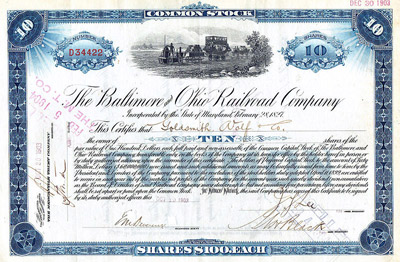 - DERIVATIVE - contract that derives its value from the performance of an underlying entity. This underlying entity can be an asset, index, or interest rate, and is often called the "underlying". Derivatives can be used for a number of purposes, including insuring against price movements (hedging), increasing exposure to price movements for speculation or getting access to otherwise hard-to-trade assets or markets.
- Exchange-traded fund | ETF - investment fund traded on stock exchanges, much like stocks. An ETF holds assets such as stocks, commodities, or bonds, and trades close to its net asset value over the course of the trading day. Most ETFs track an index, such as a stock index or bond index. ETFs may be attractive as investments because of their low costs, tax efficiency, and stock-like features.
- Front Running - definition & explanation.
- Golden share - nominal share which is able to outvote all other shares in certain specified circumstances, often held by a government organization, in a government company undergoing the process of privatization and transformation into a stock-company.
- High-frequency trading | HFT - type of algorithmic trading, specifically the use of sophisticated technological tools and computer algorithms to rapidly trade securities.
- How Stories Drive the Stock Market - The New York Times.
- ISIN CODES SEARCH ENGINE - International Securities Identifying Number.
- NEW YORK TIMES' LIST OF U.S. COMPANIES
- NIFTY-FIFTY STOCKS - an informal term used to refer to 50 popular large cap stocks on the New York Stock Exchange in the 1960s & 1970s.
- OTC | OVER-THE-COUNTER - FINRA.
- STOCK - Wikipedia.
- The Only Six Stocks That Matter - The Wall Street Journal.
Wealth Management
 - Dynasty trust - trust designed to avoid or minimize estate taxes being applied to great family wealth with each transfer to subsequent generations. By holding assets in the trust and making well-defined distributions to each generation, the entire wealth of the trust is not subject to estate taxes with the passage of each generation.
- FINANCIAL NEWS - asset management: latest headlines, top news.
- How Much Money Do You Need To Be Wealthy? - Fidelity Investments survey.
- How to hide it: inside secret world of wealth managers - The Guardian.
- JOURNAL OF ASSET MANAGEMENT
- PAM AWARDS | PRIVATE ASSET MANAGEMENT AWARDS - the highest regarded awards in the UK wealth management sector.
- WEALTH BRIEFING - private banking news and wealth management news and features.
- WEALTH MANAGEMENT - Wikipedia.
- WORLD WEALTH REPORT 2014 - Capgemini and Merrill Lynch.
- AKSIA - "Your Performance Is Our Focus."
- BANK OF AMERICA - world's largest wealth manager.
- BARCLAYS WEALTH - "Wealth and Investment Management."
- BERKSHIRE HATHAWAY - Berkshire Hathaway averaged an annual growth in book value of 19.7% to its shareholders for the last 49 years (compared to 9.8% from the S&P 500 with dividends included for the same period), while employing large amounts of capital, and minimal debt.
- BOYAR ASSET MANAGEMENT - since 1975.
- BREVAN HOWARD - global alternative asset manager.
- Commerzbank - "International Wealth Management."
- CREDIT SUISSE ASSET MANAGEMENT
- EDMOND DE ROTHSCHILD - wealth management.
- FERI INSTITUTIONAL ADVISORS
- GAMCO INVESTORS, INC.
- Geneva Swiss Bank - asset management.
- GOLDMAN SACHS - "Private Wealth Management."
- JP MORGAN WEALTH MANAGEMENT
- JULIUS BÄr - founded 1890. The largest dedicated wealth manager in Switzerland.
- LAZARD - "Lazard has a world class asset management business with services to meet a wide array of client needs. We provide advice, manage investment portfolios and funds, and offer wealth management services around the world."
- MERRILL LYNCH wealth management
- MEYADO - "Private Wealth Management."
- MIRABAUD - private wealth management.
- MIRAE ASSET GLOBAL INVESTMENTS (UK)
- Morgan Stanley - since 1935. "A Culture of Investment Excellence."
- PARTNERS CAPITAL - leading private investment office based in London, Boston and Hong Kong, serving investment professionals, endowments, foundations and high net-worth families globally.
- PIMCO - "Your Global Investment Authority."
- ROCKEFELLER & CO. - "Wealth Advisory."
- Relative Solutions - supports high net worth families managing wealth through generations addressing family governance, strategic planning, philanthropy, etc.
- SOCIÉTÉ GÉNÉRALE WEALTH MANAGEMENT - "Your Partner in Private Wealth Management."
- SCORPIO PARTNERSHIP - "What Wealth Neeeds Next." Also publishers of the Mobile Wealthy Residency Index (MWRI).
- STONEHAGE - leading Multi Family Office and trusted adviser to international ultra-high-net-worth families.
- UBS WEALTH MANAGEMENT - offers high net worth and affluent individuals around the world a complete range of tailored advice and investment services.
- WEISS ASSET MANAGEMENT - asset management firm located in Boston, MA, U.S.A.
|
|


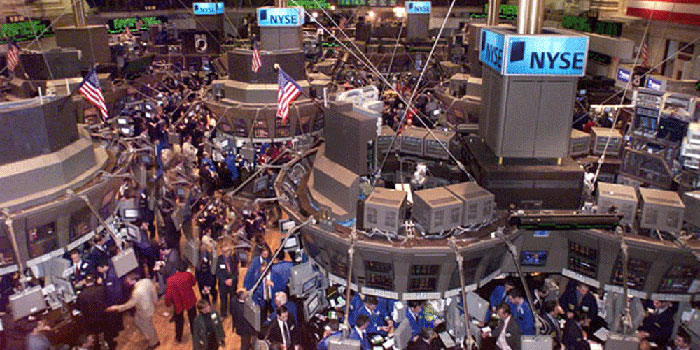



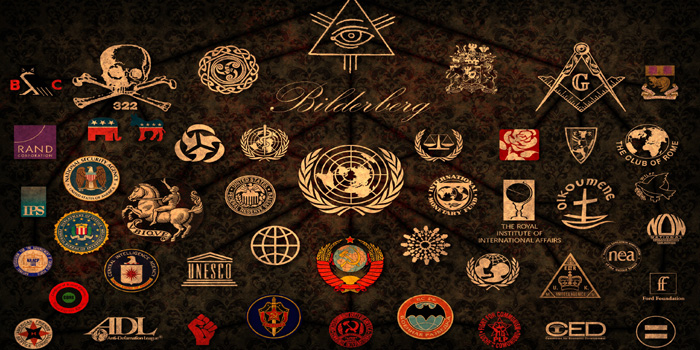



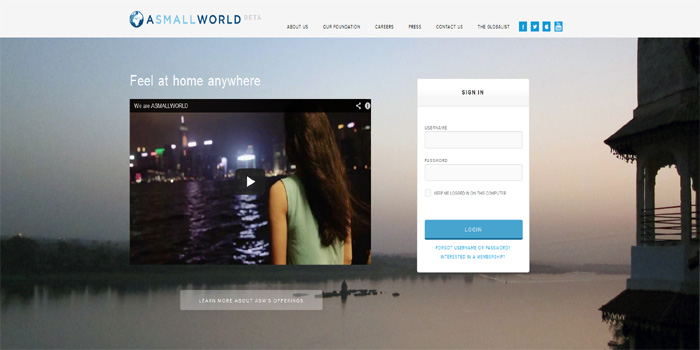
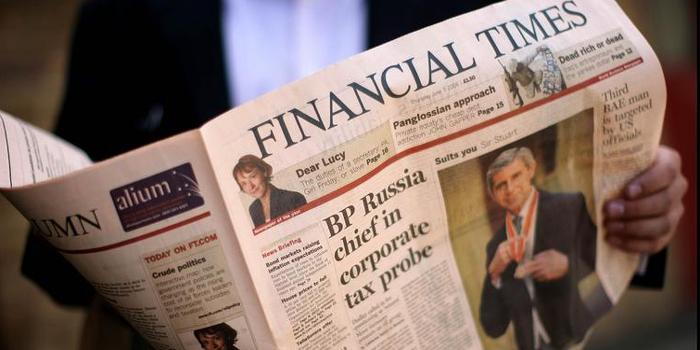

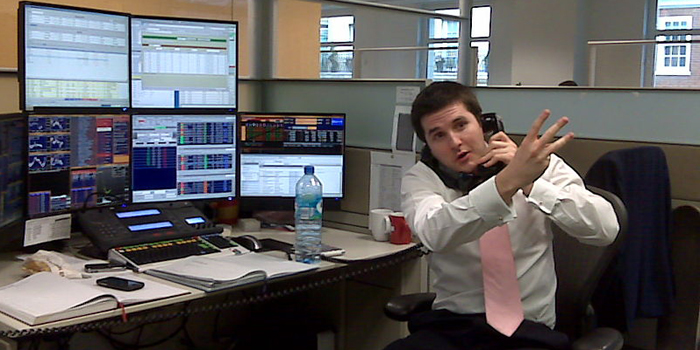
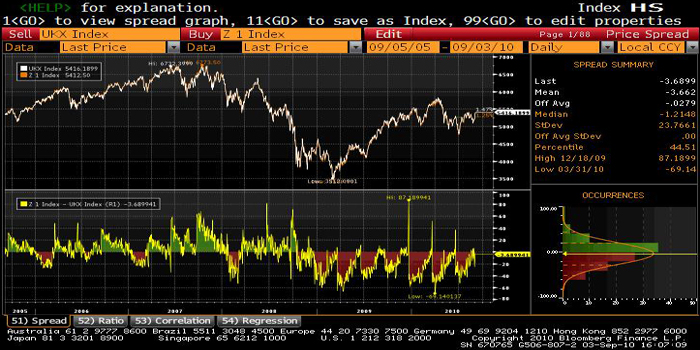





 - Amazon.com.
 - essential reading for everyone interested in learning about bitcoin basics, the technical operation of bitcoin, or if you're building the next great bitcoin killer app or business. From using a bitcoin wallet to buy a cup of coffee, to running a bitcoin marketplace with hundreds of thousands of transactions.