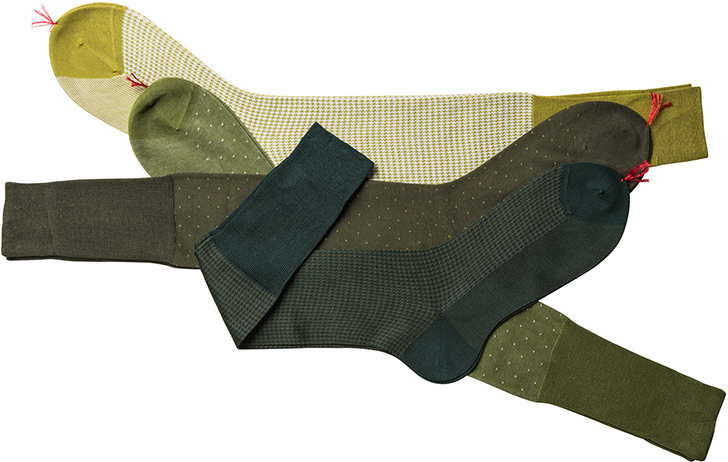
Top 150 Best High-End Luxury Socks / Hosiery Makers
A SOCK is an item of clothing worn on the feet. The foot is among the heaviest producers of sweat in the body, able to produce over a pint of perspiration per day. Socks help to absorb this sweat and draw it to areas where air can evaporate the perspiration. In cold environments, socks decrease the risk of frostbite. Its name is derived from the loose-fitting slipper, called a soccus in Latin, worn by Roman comic actors.
Socks have evolved over the centuries from the earliest models which were made from animal skins gathered up and tied around the ankles. In the 8th century BC, the Ancient Greeks wore socks from matted animal hair for warmth. The Romans also wrapped their feet with leather or woven fabrics. By the 5th century AD, socks called "puttees" were worn by holy people in Europe to symbolise purity. By 1000 AD, socks became a symbol of wealth among the nobility. From the 16th century onwards, an ornamental design on the ankle or side of a sock has been called a clock.
The invention of a knitting machine in 1589 meant that socks could be knitted six times faster than by hand. Nonetheless, knitting machines and hand knitters worked side by side until 1800.
The next revolution in sock production was the introduction of nylon in 1938. Until then socks were commonly made from silk, cotton and wool. Nylon was the start of blending two or more yarns in the production of socks, a process that still continues.
Socks are manufactured in a variety of lengths. Bare or ankle socks extend to the ankle or lower and are often worn casually or for athletic use. Bare socks are designed to create the look of "bare feet" when worn with shoes. Knee-high socks are sometimes associated with formal dress or as being part of a uniform, such as in sports or as part of a school's dress code or youth group uniform. Over-the-knee socks or socks that extend higher (thigh-high socks) are today considered female garments. They were widely worn by children, both boys and girls, during the late-19th and early-20th centuries, although the popularity varied widely from country to country.
HOSIERY, also referred to as legwear, describes garments worn directly on the feet and legs. The term originated as the collective term for products of which a maker or seller is termed a hosier; and those products are also known generically as hose. The term is also used for all types of knitted fabric, and its thickness and weight is defined in terms of denier or opacity. Most hosiery garments are made by knitting methods. Modern hosiery is usually tight-fitting by virtue of stretchy fabrics and meshes. Older forms include binding to achieve a tight fit. Due to its close fit, most hosiery can be worn as an undergarment, but it is more commonly worn as a combined under/outer garment.
Socks & Hosiery News, Reviews & Resources
- 5 Best No-Show Socks of 2024 - "We logged thousands of steps in no-show socks, ultimately landing on five supremely comfy, slip-proof pairs." Reviews by Wirecutter.
- 5 High End Designer Socks for Men - Men Style Fashion.
- 5 of the most luxurious men’s socks that will last - Gentleman's Journal.
- 8 best men’s socks for walking, running, hiking & more - "These will keep your feet warm, dry and help you avoid blisters."
- 8 Most Expensive Sock Brands - SuccessStory.
- 9 Celebrity-Approved Leggings to Stock Up On - VOGUE.
- 11 Most Comfortable Socks for Travel of 2023 - "Keep your feet feeling luxurious while traveling with these comfortable socks."
- 13 Best Socks for All Your Favorite Shoes - "Better outfits from head to toe await."
- 15 Best No-Show Socks You Didn't Know You Needed - "Your socks say more than you think."
- $200 Socks That Can Only Be Worn Six Times - Slate.
- Bombas socks: These Cushy Grip Socks Are an Unexpectedly Cozy Slipper Substitute - since 2013. "The extra comfy sock with extra traction. All grip, no slip." Women's Gripper Ankle Sock 4-Pack.
- EVEN BOTTEGA VENETA'S SOCKS ARE MADE OF LEATHER - "Socks? As shoes? Yes, according to Bottega Veneta. For Fall/Winter 2023, the Italian label slipped into something a little more comfortable, introducing a series of soled crew socks that blur the line between footwear and underwear."
- Health experts give two toes up to wearing socks in bed - TODAY.com.
- Hosiery - Wikipedia.
- Hosiery Denier Guide - "What Do Different Denier Tights Look Like?"
- How Do I Wear Socks Without Looking Like a Schoolgirl? - "Socks seem to be everywhere right now, even on the red carpet. Socks are one of the most undervalued, and enjoyable, accessories available. Though socks have long held a place of honor in men’s wear as one of the few acceptable ways to express personality, they have played a less meaningful role for women."
- How leggings became a multibillion-dollar industry - "Having been valued at $32.89 billion in 2022, the global leggings market is expected to reach a value of $57.97 billion by 2031, according to analysis by market research company Growth Market Reports. Few could have predicted that one of the most derided sartorial mainstays of the 1980s - a decade that has never quite enjoyed the style resurgence of the eras that bookended it - would be a multibillion-dollar industry in its own right by the end of the 2020s. Yet it appears that leggings are, in fact, having the last laugh."
- How to Match Colors & Patterns For Classic Spring Summer Outfits - Gentleman's Gazette.
- Is the Pantyhose-as-Pants Look a Real Thing? - "A reader who sees pants-less celebrities on runways and on social media wonders if the rest of us are actually expected to follow suit."
- Just say no to black socks - A Suitable Wardrobe.
- Kanye West is apparently team socks & sandals - "Fashion forward to some, and a faux pas to others, wearing socks with sandals has been a sartorial boundary that many celebrities have transgressed."
- Leggings - Wikipedia.
- Louis Vuitton's Updated "LV Archives" Set of Socks Will Set You Back $2,000 - "Made from a lightweight cotton, polyester, and elastane blend, the colorful socks see various graphics that play with collegiate, floral, and cartoon themes as well as a reimagined Damier pattern. The set comes in a monograph acrylic presentation box and is priced approximately at $1,990, which translates to $330 a pair."
- ‘Never a Reason to Take Off Your Socks’: A Flight Attendant’s 12 Etiquette Rules - "Air travel is going to be busy this summer. With some common sense and courtesy, could flying be ... pleasant?"
- No-Show Socks - "Those footie accessories that promise to allow you to look as if you are so carefree as to wear shoes without socks while actually allowing you to avoid the rub."
- Our Favorite Socks for Spring 2024 - "Gone are the days when bare ankles and no-show socks were the sole options; a quick glance on the street confirms that we are living in a sock-proud era. Here are some of my favorite see-and-be-seen socks"
- Rich seam: why the fashion pack is back in love with tights - The Guardian.
- Sock - Wikipedia.
- Socks’n’sandals: how the faux pas went mainstream - "From David Beckham – in red socks and Birkenstocks - to Tyler, the Creator and Kanye West, style icons have rushed to embrace this anti-fashion statement."
- Tabi - are traditional Japanese socks worn with thonged footwear such as zori, dating back to the 15th century. Tabi are worn by both men and women, with traditional formal footwear such as zori, and sometimes the less-formal geta. Tabi are typically worn with clothing such as kimono. Tabi are sewn with a divided toe, in order to be worn with thonged footwear.
- The Case for Sleeping with Socks On - Healthline.
- The joy of socks: the style details that matter now - The Guardian.
- The new rules of socks: novelty ones are out - but yes you can wear them with sandals - "Socks are the new fashion statement, but are white ones in? Is cotton best? And should they always be pulled up? Here is the long and short of it."
- The truth about tights: my search for a pair to end women’s hosiery hell - "They fall down. They pill. They become weirdly baggy round the knees and remain unyielding everywhere else. But an end to tights discomfort might finally be in sight."
- THESE TRUMP SOCKS WENT VIRAL - AND A NIGHTMARE ON AMAZON BEGAN - Wired.
- Tights in art: why nylons are fetish and fantasy gold - "From Man Ray to Louise Bourgeois, an astonishing range of artists have used tights and stockings to turbocharge their work. We go behind the scenes at Gossamer, a celebration of hosiery."
Top 150 High-End Men's & Women's Socks & Hosiery Makers: A-Z
A
B
C
D
E
F
G
H
I
J
K
L
M
N
O
P
Q
R
S
T
U
V
W
X
Y
Z
- A -
- Adrienne Vittadini - since 1979. Women's.
- AgnÈs B. - since 1975. Men's.
- AgnÈs B. - since 1975. Women's.
- ALAIN FIGARET - men's.
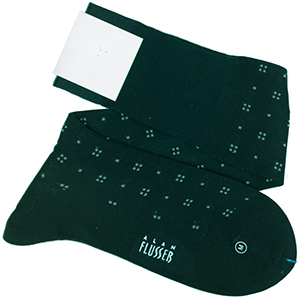 - ALAN FLUSSER - men's.
- ALEXANDER MCQUEEN - men's.
- Allbirds - since 2014. Men's & women's.
- ALLEN EDMONDS - since 1922. "An American Original." Men's.
- ALYX - since 2015. Designed by Matthew Williams. Men's.
- ALYX - since 2015. Designed by Matthew Williams. Women's.
- AMI Paris - since 2011. Men's.
- Anderson & Sheppard - "Savile Row Bespoke Tailors since 1906." We strongly believe that socks can add personality to any outfit. Whether you prefer long socks or mid-calf socks, we have everything to meet your needs. Our socks are made of highest quality fibres – cashmere, extra fine merino, Sea Island cotton, silk or Shetland. We have socks in dark colours to wear with formal outfits; we also have colourful ones to brighten your outfit. Anderson & Sheppard's men's socks are soft, comfortable and durable. Men's Socks & Garters.
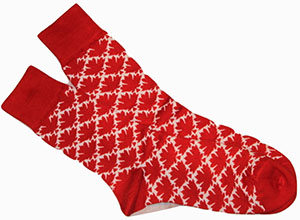 - Andrew's Milano - "Made In Italy Sockrates Socks." Men's.
- Ann Taylor - since 1954. Women's socks & tights.
- ANTHROPOLOGIE - since 1992. Women's socks & tights.
- A.P.C. - since 1987. Men's.
- A.P.C. - since 1987. Women's.
- Austin Reed London - since 1900. Men's.
A
B
C
D
E
F
G
H
I
J
K
L
M
N
O
P
Q
R
S
T
U
V
W
X
Y
Z
- B -
- BALENCIAGA - since 1919. Men's.
- BALENCIAGA - since 1919. Women's.
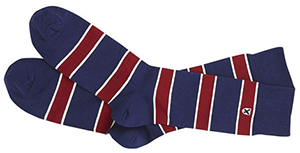 - Barbour - since 1894. Men's.
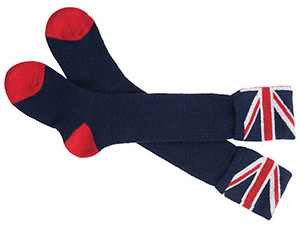 - Barbour - since 1894. Women's.
- Basile - since 1974. Men's.
- BEN SHERMAN - since 1963. Men's.
- BENSON & CLEGG - founded in 1937. Jermyn Street, London. Men's.
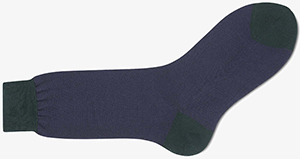 - BERLUTI - Paris since 1895. "The ultimate expression of luxury for men."
- BIJAN - since 1976. 420 N Rodeo Dr, Beverly Hills, California, CA 90210, U.S.A. Men's.
- Billy Reid - since 1998. Men's.
- Billy Reid - since 1998. Women's.
- BjÖrn Borg - men's.
- BjÖrn Borg - women's.
- Boconi - since 2010. Men's.
- Bombas socks - since 2013. "The extra comfy sock with extra traction. All grip, no slip." Women's Gripper Ankle Sock 4-Pack.
- Bonaval - men's.
- Bonaval - women's.
- BOSS - since 1924. Men's.
- BOTTEGA VENETA - since 1966. Men's.
- BRESCIANI - since 1970. Men's classic socks. "Our attention to details begins with the selection of the finest and natural yarns in cotton, wool, cashmere, hemp, silk, vicuna and linen."
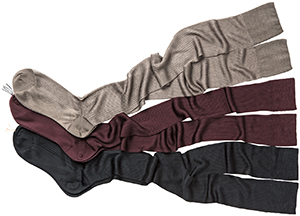 - BRESCIANI - since 1970. Ladies' socks.
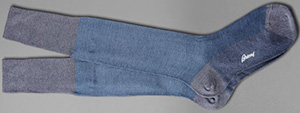 - BRIONI - since 1945. Men's.
- BROMLEYS - since 1999. "Timeless Classic Dressing." Men's.
- Brooklyn Tailors - since 2007. Men's.
- BROOKS BROTHERS - since 1818. Men's.
- Brunello Cucinelli - since 1978. Men's cotton socks.
- Brunello Cucinelli - since 1978. Women's sparkling cashmere rib knit socks.
- BRUNO BANANI - since 1993. Men's.
- BRUNO BANANI - since 1993. Women's.
- Budd London - since 1910. "A well-turned ankle turns the eye. You can learn a lot about a man when he is wearing a well-considered sock with a beautiful shoe. Style legend, Gianni Agnelli was a great case in point. Essential Tip: Always opt for 3/4 length socks if possible. You should always avoid the gap that occurs when you are sat down (especially with legs crossed) and wearing shorter socks. It reveals those dreaded, few inches of hairy calf that are neither gentlemanly or becoming!" Piccadilly Arcade, London, U.K. Men's.
- bugatchi - men's.
A
B
C
D
E
F
G
H
I
J
K
L
M
N
O
P
Q
R
S
T
U
V
W
X
Y
Z
- C -
- CALVIN KLEIN - since 1968. Men's.
- CALVIN KLEIN - since 1968. Women's Socks & Tights.
- CANALI - since 1934. Men's.
- CARMINA - since 1866. Men's.
- Chanel - since 1910. Women's
- Chantal Thomass Paris - since 1975. Women's hosiery.
- CHARLES TYRWHITT - since 1986. Jermyn Street, London. Men's.
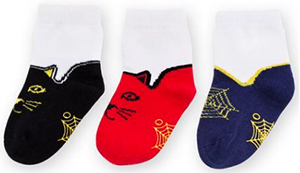 - CHARLOTTE OLYMPIA - since 2008. "To Die For." Women's Incy socks.
- CHARVET - founded in 1838. French high-end shirt maker & tailor located at 28, place Vendôme in Paris, France. Men's cashmere, cotton, silk & wool socks.
- CHEANEY - since 1886." Men's.
- Chrome Hearts - since 1988. Luxury brand from Hollywood. Men's.
- CHURCH'S - men's.
- COLE HAAN - since 1928. Men's.
- COLE HAAN - since 1928. Women's socks & tights.
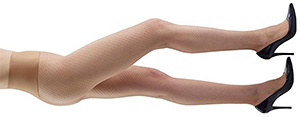 - Commando - women's pantyhoses & tights.
- CORGI - established 1893. "Luxury Socks Made in Wales, UK." Men's.
- CORGI - established 1893. "Luxury Socks Made in Wales, UK." Women's.
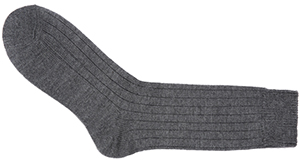 - CROMBIE - "Timeless British menswear since 1805." Men's cashmere socks.
A
B
C
D
E
F
G
H
I
J
K
L
M
N
O
P
Q
R
S
T
U
V
W
X
Y
Z
- D -
- Danner - since 1932. Men's.
- Danner - since 1932. Women's.
- Democratique - since 2012. Men's & women's organic socks.
- Dior - since 1946. Men's.
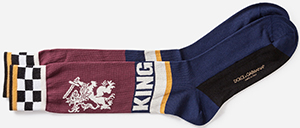 - DOLCE & GABBANA - since 1985. Men's.
- DOLCE & GABBANA - since 1985. Women's.
- Donna Karen - women's hosiery.
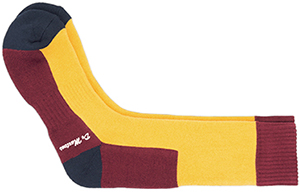 - Dr. Martens - since 1947. "Every pair of Doc’s needs a standout pair of socks. In this collection, you’ll find a bold range of printed socks as well as our renowned ‘Doc Socks’ - specially engineered to provide extra padding and slip resistance." Men's.
- Dr. Martens - since 1947. Women's.
- DRAKE'S - "Relaxed elegance since 1977." The importance of a good pair of socks is overlooked at one's own peril. Opting for quality alerts others to the fact that you pay every facet of dressing the requisite attention. Men's
- Dsquared2 - since 1995. Men's.
- Dsquared2 - since 1995. Women's.
- DUCHAMP LONDON - since 1989. Men's.
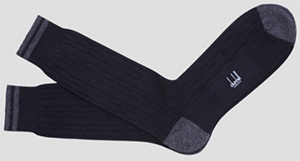 - DUNHILL - since 1893. Men's.
A
B
C
D
E
F
G
H
I
J
K
L
M
N
O
P
Q
R
S
T
U
V
W
X
Y
Z
- E -
- E.MARINELLA - Italian luxury since 1914. Men's.
- E.TAUTZ - founded in 1867. "Ready to wear fashion label with a Savile Row aesthetic." Men's.
- ECCO - men's & women's.
- Elisabetta Franchi - since 1998. Women's stockings.
- Emi-G Knitting - since 1991. "USA Sock Manufacturers." Men's & women's.
- EMMETT LONDON - since 1992. Men's.
- Emporio Armani - since 1975. Men's.
 - ERIC BOMPARD CASHMERE PARIS - since 1985. Men's.
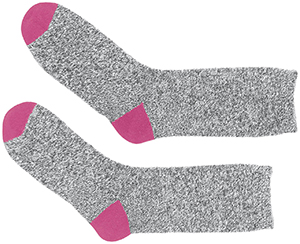 - ERIC BOMPARD CASHMERE PARIS - since 1985. Women's.
- Etro - since 1968. Men's.
- Etro - since 1968. Women's jacquard socks.
A
B
C
D
E
F
G
H
I
J
K
L
M
N
O
P
Q
R
S
T
U
V
W
X
Y
Z
- F -
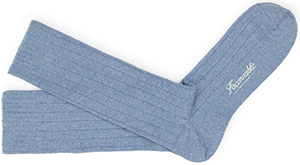 - FAÇONNABLE - since 1950. Men's.
- FALKE - men's.
- FALKE - women's.
- FENDI - since 1925. Men's.
- FENDI - since 1925. Women's Tights & Socks.
- FERRAGAMO - founded 1927. Men's.
- Filson - since 1897. Men's.
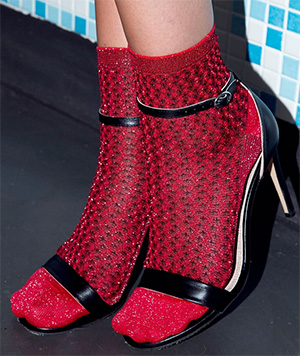 - Fogal of Switzerland - since 1921. "Socks with a Twist. The Queen of the Net." The range of FOGAL consists of two product categories: finest hosiery and legwear and exclusive knitwear. Women's.
- FOSTER & SON - est. 1840. Jermyn Street, London. Men's.
- FRED PERRY - men's.
- Free People - since 1970. Women's Tulle Crew Socks.
A
B
C
D
E
F
G
H
I
J
K
L
M
N
O
P
Q
R
S
T
U
V
W
X
Y
Z
- G -
- Gabriela Hearst - women's.
- Gagliardi - since 1964. Men's.
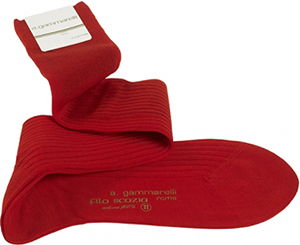 - GAMMARELLI SOCKS - since 1798. "Gammarelli socks are part of the most iconic socks in the world. Also known as the Pope's tailor, Gammarelli is the famous socks maker based in Rome since 1798, specialized in ecclesiastical clothes. Their best-known mid-calf socks are made of cotton lisle, red for cardinals, purple for bishops, black for priests (and white for the Pope in knee-high socks only). Red Gammarelli socks are irrefutably the most emblematic of this site and our company. Gammarelli is the Pope's tailor since 1798."
- GANT - since 1949. Men's.
- GANT - since 1949. Women's.
- Gentleman's Cazette - men's. "Finest Socks In The World - Over The Calf in Black Silk."
- GEOFFREY BEENE - since 1963. Men's.
- GIEVES & HAWKES - "No.1 Savile Row London." Men's.
- Giorgio Armani - since 1975. Men's.
- GRENSON - since 1866. Men's & Women's.
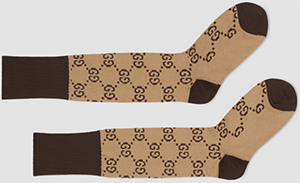 - GUCCI - since 1921. Men's.
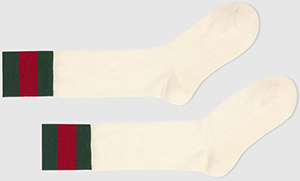 - GUCCI - since 1921. Women's socks & tights.
A
B
C
D
E
F
G
H
I
J
K
L
M
N
O
P
Q
R
S
T
U
V
W
X
Y
Z
- H -
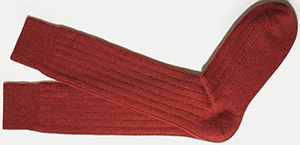 - HACKETT London - since 1979. Men's.
- Harrods - women's hosiery.
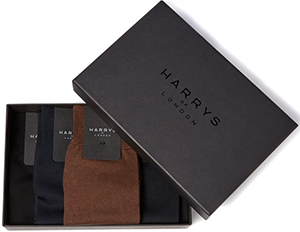 - Harrys of London - since 2001. Men's.
- HARVIE & HUDSON - "The Family Owned Jermyn St Shirtmakers Since 1949." Men's.
- Haspel - "New Orleans, 1909. Made in USA." Men's.
- HENRI LLOYD - men's.
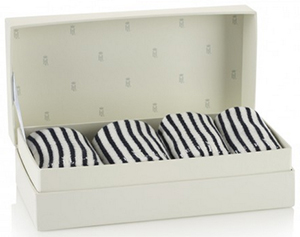 - HENRI LLOYD - women's.
- HermÈs - since 1837. Men's.
- Hilditch & Key - "Providing luxury menswear since 1899." 73 Jermyn Street, St. James's, London SW1Y 6NP, United Kingdom. Men's.
- HOBBS London - since 1981. Women's socks & tights.
- HOKA - since 2009. Men's.
- HOKA - since 2009. Women's.
- HUGO BOSS - since 1924. Men's.
- HUNTSMAN - established 1849. 11 Savile Row, London, U.K. Men's.
A
B
C
D
E
F
G
H
I
J
K
L
M
N
O
P
Q
R
S
T
U
V
W
X
Y
Z
- I -
- Interwoven by Burlington - men's.
A
B
C
D
E
F
G
H
I
J
K
L
M
N
O
P
Q
R
S
T
U
V
W
X
Y
Z
- J -
- J.CREW - since 1983. Men's.
- J.CREW - since 1983. Women's socks & tights.
- J.PRESS - men's.
- JAEGER - men's.
- JACK Spade - men's.
- JACK WILLS - men's.
- JACK WILLS - women's.
- JHANE BARNES - men's.
- Jigsaw - men's.
- Jigsaw - women's tights & socks.
- JILL SANDER - since 1968. Men's.
- JILL SANDER - since 1968. Women's.
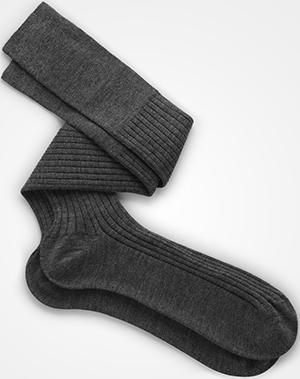 - John Lobb - since 1849. Men's.
- JOHN SMEDLEY - since 1774. Men's.
- JOHN VARVATOS - men's.
- JOHNSTON & MURPHY - since 1850. Men's.
- JOHNSTON & MURPHY - since 1850. Women's.
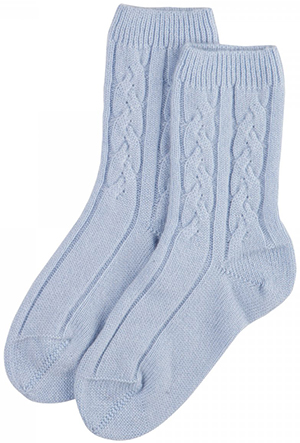 - Johnstons of Elgin - since 1797. "Fine Cashmere Clothing." Men's cashmere socks.
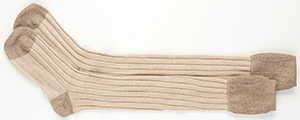 - Johnstons of Elgin - since 1797. "Fine Cashmere Clothing." Give your feet a treat with our range of men's and women's cashmere socks. Unrivalled in softness and style, a selection of plains, cable knit and 100% pure cashmere socks are available. Try our cashmere bed socks, in a soft cable knit design, for the ultimate in loungewear comfort and you can even increase the cosiness with a cashmere hot water bottle. Women's cashmere socks.
- Joseph Abboud - men's.
- Joseph Cheaney & Sons - since 1886. Men's.
A
B
C
D
E
F
G
H
I
J
K
L
M
N
O
P
Q
R
S
T
U
V
W
X
Y
Z
- K -
- Kamakura Shirts - since 1993. Men's dress socks.
- Karen Walker - women's.
- Karhu - since 1916. "Lifestyle Apparel Socks." Find Karhu lifestyle socks. Karhu lifestyle socks are engineered with a quality cotton blend to provide maximum comfort, along with a standout branded Karhu logo. Men's.
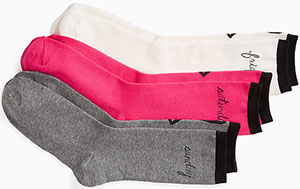 - Kate Spade - women's socks & tights.
- KENNETH COLE - men's.
- KENZO - men's.
- KENZO - women's.
- Kiko Kostadinov - since 2017. Bulgarian fashion designer based in London. Women's.
A
B
C
D
E
F
G
H
I
J
K
L
M
N
O
P
Q
R
S
T
U
V
W
X
Y
Z
- L -
- LACOSTE - since 1933. "Plain & printed cotton socks for men." Men's.
- LANE BRYANT - since 1904. Women's hosiery & socks.
- Lanvin Paris - since 1889. Men's.
- LLOYD - since 1888. Men's.
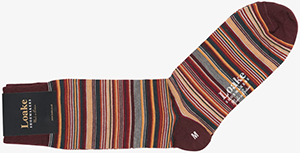 - LOAKE SHOEMAKERS - since 1880. "No outfit is complete without the finishing touches. Our Loake Socks are made right here in Britain and will add a touch of luxury to your wardrobe." Men's.
- Lockheed Martin . since 1975. "LockheedMartinStore.com is owned and operated by Renaissance Promotions under corporate agreement with Lockheed Martin." Men's.
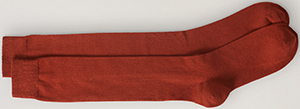 - LORO PIANA - since 1924. "Loro Piana men’s socks are the essence of comfort and elegance, crafted of softest yarns in an array of natural and vibrant colours. Sumptuous, comfortable and effortlessly sophisticated, Loro Piana men’s socks are made for a fast-paced office life, or laid-back moments of luxury. Loro Piana men’s socks in finest yarns. The Loro Piana men’s socks range includes cashmere socks with tone-on-tone jacquard design, resplendent in both neutral colours and brighter shades. For those who like to feel the touch of the world’s rarest fibers on their skin, Loro Piana has men’s socks in woven vicuña, one of the finest and most precious animal fibres in the world, with the toe and heel reinforced in silk." Men's Socks in Cashmere, Cotton & Silk.
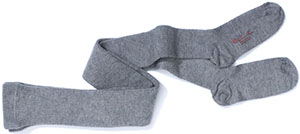 - LORO PIANA - since 1924. "Loro Piana women’s cashmere socks offer maximum softness with every step. A perfectly comfortable garment for the modern woman on the move, the collection of socks is characterised by bold design and a wide range of colours. The Loro Piana catalogue also includes lightweight, delicate silk and cashmere tights, and fine socks in baby cashmere. The unique softness of women’s cashmere socks by Loro Piana. Cashmere socks from Loro Piana are elasticated to ensure the best fit, keeping feet warm, comfy and at ease. They have a classic short style that pairs excellently with a range of informal, sporty or elegant outfits. Leave the socks on show to show their elegance over shoes. Baby cashmere socks have a longer style, with elegant cable weave that enhances the design, making them an ideal accessory for a sporty winter look in the town or mountains. The Loro Piana catalogue contains tights in cashmere and silk, woven with stretch structure and ribbing to frame the legs elegantly with refined contrasts. Women's socks in 100% cashmere: The unique warmth of the noblest fibres. Women’s socks in cashmere, baby cashmere and silk guarantee perfect cold protection with enveloping warmth. These are practical and exclusive accessories that represent the peak of comfort and style. Tights and socks for women in cashmere are available in a range of colours, with particular, distinctive palettes that range from ice mélange and gaia stone to caviare and flannel mélange. The softness of prime quality cashmere ensures every step is one in the right direction." Women's Socks & Tights.
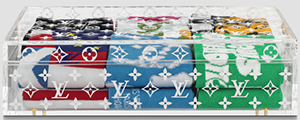 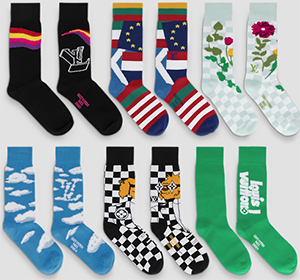 - Louis Vuitton - since 1854. "The LV Archives socks set combines practicality with distinguished House symbols. These six pairs of socks, presented in a box resembling the iconic Boite Scott, each feature a unique design referencing the themes from Virgil Abloh's first shows. They are spun from pure cotton and finished with special details including, LV Initials and woven jacquard Louis Vuitton Paris Shows signatures." LV Archives men's socks set.
A
B
C
D
E
F
G
H
I
J
K
L
M
N
O
P
Q
R
S
T
U
V
W
X
Y
Z
- M -
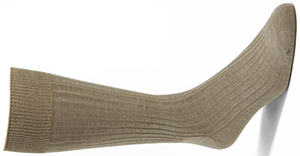 - MAGNANNI - since 1954. Men's.
- MAISON KITSUNÉ Paris - since 2002. Women's.
- MANOLO BLAHNIK - women's.
- Marc Jacobs - men's.
- MARIA LA ROSA - women's.
- Marni - since 1994. Men's.
- Max Mara - women's hosiery.
- Meindl - men's.
- Mes Chaussettes Rouges - "The World's Best Socks." Men's.
- MICHAEL TOSCHI - since 1997. Men's.
- Ministry of Supply - since 2012. Men's.
- Missoni - since 1953. Men's.
- MSGM - since 2009. Men's.
- MUSTO - men's.
A
B
C
D
E
F
G
H
I
J
K
L
M
N
O
P
Q
R
S
T
U
V
W
X
Y
Z
- N -
- Nancy Meyer - since 1978. "Luxury Hosiery | Wolford Tights, Stockings, Thigh Highs, Legwear."
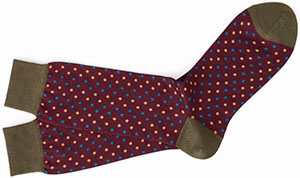 - NEW & LINGWOOD - "Flourishing Since 1865." Our men's socks have been an instrumental part of who we are as an outfitter for over 150 years. We have been tailoring Eton schoolboys in their prestigious uniform and developing their range of over 144 sporting and collegiate colours and in the process, we too have developed our penchant for socks. Our exclusive design socks come in a myriad of colours that add a flash of sartorial elegance to any outfit. Our socks are woven from the finest cotton, wool or cashmere, sourced from our loyal, expert weavers, keeping your feet in sumptuous style and comfort. Jermyn Street, London. Men's design socks.
- NEW BALANCE - since 1906. Men's.
- NEW BALANCE - since 1906. Women's.
- NIKE - founded 1972. Men's.
- NIKE - founded 1972. Women's.
- NO.6 - women's socks & tights.
A
B
C
D
E
F
G
H
I
J
K
L
M
N
O
P
Q
R
S
T
U
V
W
X
Y
Z
- O -
- Off-White - Italian streetwear and luxury fashion label founded by American creative designer Virgil Abloh in Milan, Italy in 2012. Men's.
- Off-White - Italian streetwear and luxury fashion label founded by American creative designer Virgil Abloh in Milan, Italy in 2012. Women's.
- Oliver Bonas - women's Tights & Socks.
- Oliver Cabell - since 2018. Men's & Women's Signature Socks.
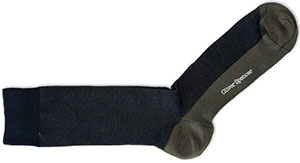 - Oliver Spencer - men's.
- Organic Basics - "Better Greener Basics. For the highest comfort of you & the environment." Men's Socks.
- Organic Basics - "Better Greener Basics. For the highest comfort of you & the environment." Women's Socks.
- Ovadia - since 2010. Men's.
A
B
C
D
E
F
G
H
I
J
K
L
M
N
O
P
Q
R
S
T
U
V
W
X
Y
Z
- P -
- PANTHERELLA - "Fine English Socks Est. 1937." Men's
- PANTHERELLA - "Fine English Socks Est. 1937." Women's
- patagonia - since 1973. Men's.
- patagonia - since 1973. Women's.
- PAUL SMITH - since 1970. "Never underestimate the importance of a good pair of socks. The Paul Smith socks selection is available in comfortable cotton, wool and other natural fibres. Here you'll find printed, plain and novelty pairs of socks for him. For sporty types, there's also a dedicated selection of cycling socks to optimise performance." Men's.
- PAUL SMITH - since 1970. "Add a fun splash of colour to any outfit with our Paul Smith women’s socks selection. Crafted from premium wool and cotton and available in a range of bright stripes and vibrant patterns." Women's.
- Paul Stuart - men's.
- PENROSE LONDON - since 2008. Men's.
- PERRY ELLIS - men's dress socks.
- Philippe Perzi Vienna - "These socks were made for strutting..." Men's.
- PICKET London - since 1988. "Handmade in England." Keep your feet comfortable with our selection of luxurious socks, from cashmere to the ever popular bamboo. Men's cashmere socks.
- PICKET London - since 1988. "Handmade in England." Keep your feet comfortable with our selection of luxurious socks, from cashmere to the ever popular bamboo. Women's cashmere socks.
- PINK - since 1984. "Thomas Pink socks are woven for a smooth and comfortable finish, in colours and styles that complement a wide range of tailoring. Hand made in Italy, we use only the softest premium yarns, sourced from trusted suppliers and naturally dyed to be kinder to the environment. Designed in a range of patterns, from striking contrasts to subtle(ish) stripes, Thomas Pink socks will either blend in or stand out. From block prints to sporting style, slip on a pair of Thomas Pink socks and you’ll discover your ankles never looked so good." 106 Jermyn Street, London, U.K. Men's socks.
- PlÜmo - since 1998. "Socks are the new wardrobe staple. Accessorise your outfit with our red cashmere socks from Japan, or more neutral peat or cream coloured shades, perfected in fit and size. Handknitted socks in fairisle patterns, colourful and unique. Icelandic socks in muted grey wool." Women's.
- PORSCHE DESIGN - since 1972. Men's running socks.
- PORSCHE DESIGN - since 1972. Women's sports socks.
- POUR MOI - since 2015. "Add the perfect finishing touch to your look with our gorgeous Hosiery styles. Slip your legs into the luxury of our velvety soft opaques, or use our patterned tights to put the fun back into your workwear. Fishnet stockings look sensational in the boudoir and our gorgeous suspenders will finish off your vintage pin-up look. Or keep things simple, and simply sexy, with a sleek pair of hold ups, finished with lashings of luxurious lace. Which one will you choose?" Women's.
- Prada - since 1913. Men's socks.
- Prada - since 1913. Women's socks & silk leggings.
- Psycho Bunny - men's.
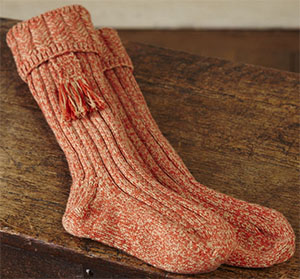 - PURDEY - since 1814. "In recent years, socks have risen in rank as a fun and personable way to uplift an outfit. These highly appreciated accessories don’t need to be dull — in fact, our assortment of socks is in a league all their own. Never find yourself having cold feet in the field again with their high level of comfort and warmth. Hand-knitted in traditional styles, our socks, wool garters and city socks are your new favourite companion. Perfect for your wardrobe alongside our tweed caps, breeks and insulated waterproof coat - complete your collection with Purdey. " Men's & women's handknit houndstooth alpaca sock & garter set & hand knitted cashmere shooting socks with garters.
A
B
C
D
E
F
G
H
I
J
K
L
M
N
O
P
Q
R
S
T
U
V
W
X
Y
Z
- R -
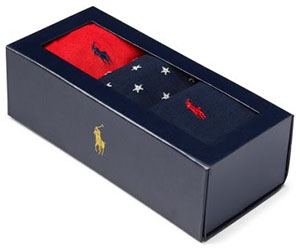 - RALPH LAUREN - men's.
- RALPH LAUREN - women's socks & tights.
- Rancourt & Co. - "Handcrafted in Maine since 1967." Men's.
- RICHARD ANDERSON - 13 Savile Row, London, U.K. Men's.
- Richard James - 29 Savile Row, London, U.K. Men's.
- Roderick Charles - since 1992. 90 Jermyn St., London, U.K. Men's cotton & wool socks.
A
B
C
D
E
F
G
H
I
J
K
L
M
N
O
P
Q
R
S
T
U
V
W
X
Y
Z
- S -
- Saint James French Clothing - since 1889. Men's & women's.
- Saint Laurent - women's socks.
- Saint Laurent - women's tights.
- Salomon - since 1947. Men's Performance & Sports Socks.
- SALVATORE FERRAGAMO - founded 1927. Men's.
- Scarosso - men's.
- Seidensticker - since 1919. Men's.
- Sieger - men's.
- SIMON CARTER London - men's.
- Sock Shop - since 1983. "The World's Largest Sock Selection." Men's.
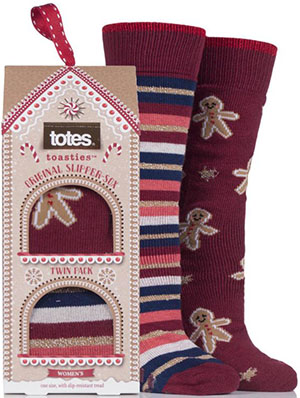 - Sock Shop - since 1983. "The World's Largest Sock Selection." Women's.
- Spanx - since 2000. Women's hosiery.
- ST. CROIX - "Distinctive Luxury Fashion for Men."
- STELLA MCCARTNEY - men's.
- Steve Madden - women's socks & tights.
- Suitsupply - since 2000. Men's.
- SUNSPEL - since 1860. "These sophisticated cotton socks are crafted in the UK from the highest quality cotton. Available in classic colours and playful stripes, they are ideal accompaniments to Sunspel clothing." Men's.
- SUNSPEL - since 1860. Women's.
- Sweyd - since 2016. Men's.
A
B
C
D
E
F
G
H
I
J
K
L
M
N
O
P
Q
R
S
T
U
V
W
X
Y
Z
- T -
- Tabio - since 1968. Women's ankle socks.
- TALBOTS - established 1947. Men's & women's.
- TED BAKER London - men's.
- The Kooples - men's.
- The White Company London - since 1993. Men's & women's cashmere bed socks, and more.
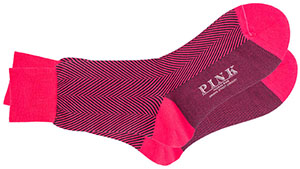 - THOMAS PINK - since 1984. "From practical plains to bold patterns. Shop online for mens designer socks from the Pink Shirtmaker range at up to 80% off." Jermyn Street, London, U.K. Men's.
- TIMBERLAND - since 1952. Men's.
- TIMBERLAND - since 1952. Women's.
- TIMOTHY EVEREST - since 1991. Men's.
- T.M.LEWIN - established 1898. Jermyn Street, London, U.K. Men's.
- Todd Snyder New York - men's.
- Tommy Bahama - since 1993. Men's.
- TOMMY HILFIGER - men's.
- TOMMY HILFIGER - women's socks & tights.
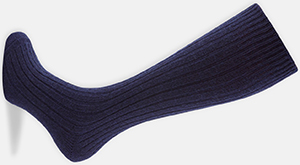 - TURNBULL & ASSER - Royal Warrant shirtmaker and dresser of the world's most eminent gentlemen since 1885. "Even the man who has everything can never have enough socks - especially when they boast a soft cotton or merino wool construction. Opt for a bold, bright pair to give modest suits a vibrant finale." 71-72 Jermyn Street, London, U.K.
- TYLER & TYLER - since 2008. Men's.
A
B
C
D
E
F
G
H
I
J
K
L
M
N
O
P
Q
R
S
T
U
V
W
X
Y
Z
- U -
- Undandy - since 2015. "Conspicuously Unconspicuous." Men's.
A
B
C
D
E
F
G
H
I
J
K
L
M
N
O
P
Q
R
S
T
U
V
W
X
Y
Z
- V -
- VALENTINO - since 1960. Men's.
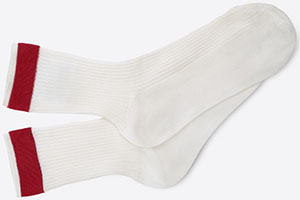 - VALENTINO - since 1960. Women's silk knitted socks.
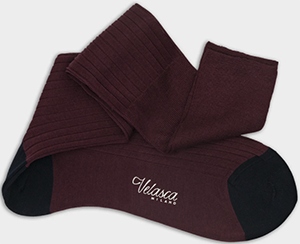 - Velasca Milano - since 2012. "Made in Italy | Men's elegant online corduroy pindot 100% cotton socks."
- Vince Camuto - men's.
- Vince Camuto - women's socks & hosiery.
- Viola Milano - men's.
- VIVIENNE WESTWOOD - women's hosiery.
A
B
C
D
E
F
G
H
I
J
K
L
M
N
O
P
Q
R
S
T
U
V
W
X
Y
Z
- W -
- Whistles - men's.
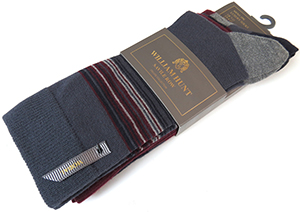 - William Hunt - since 1998. 41 Savile Row, London, U.K. Men's.
- WOLFORD - since 1949. Men's.
- WOLFORD - since 1949. Women's hosiery.
- WOOLRICH - men's & women's.
A
B
C
D
E
F
G
H
I
J
K
L
M
N
O
P
Q
R
S
T
U
V
W
X
Y
Z
- Y -
- Yves Saint Laurent - since 1961. Check and musical notes pattern socks.
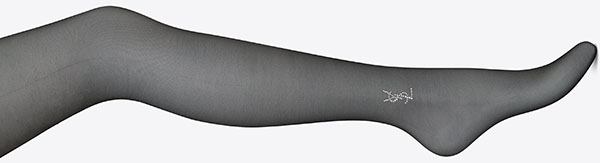 - Yves Saint Laurent - since 1961. Women's tights.
A
B
C
D
E
F
G
H
I
J
K
L
M
N
O
P
Q
R
S
T
U
V
W
X
Y
Z
- Z -
- ZILLI - since 1970. Men's.
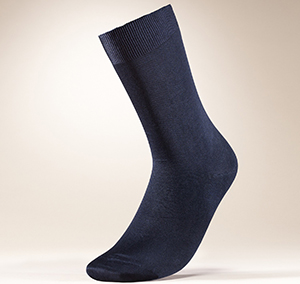 - Zimmerli of Switzerland - since 1871. Men's.
|
|